
Last updated August 27, 2026
Free in-home measure and quote - PGT, CGI and CWS impact lines compared on your actual openings, style by style
Sliding glass doors
Impact garage doorsPGTCGI
 Before
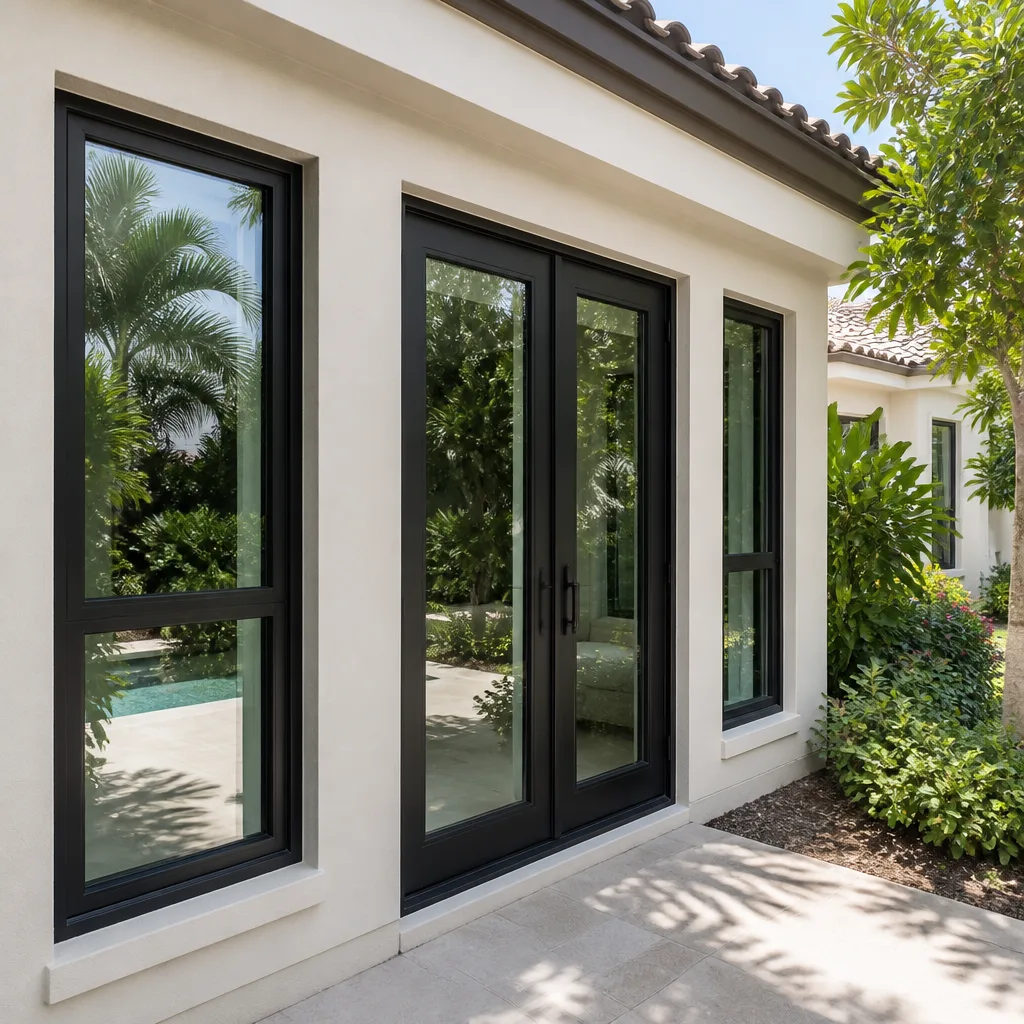 After
After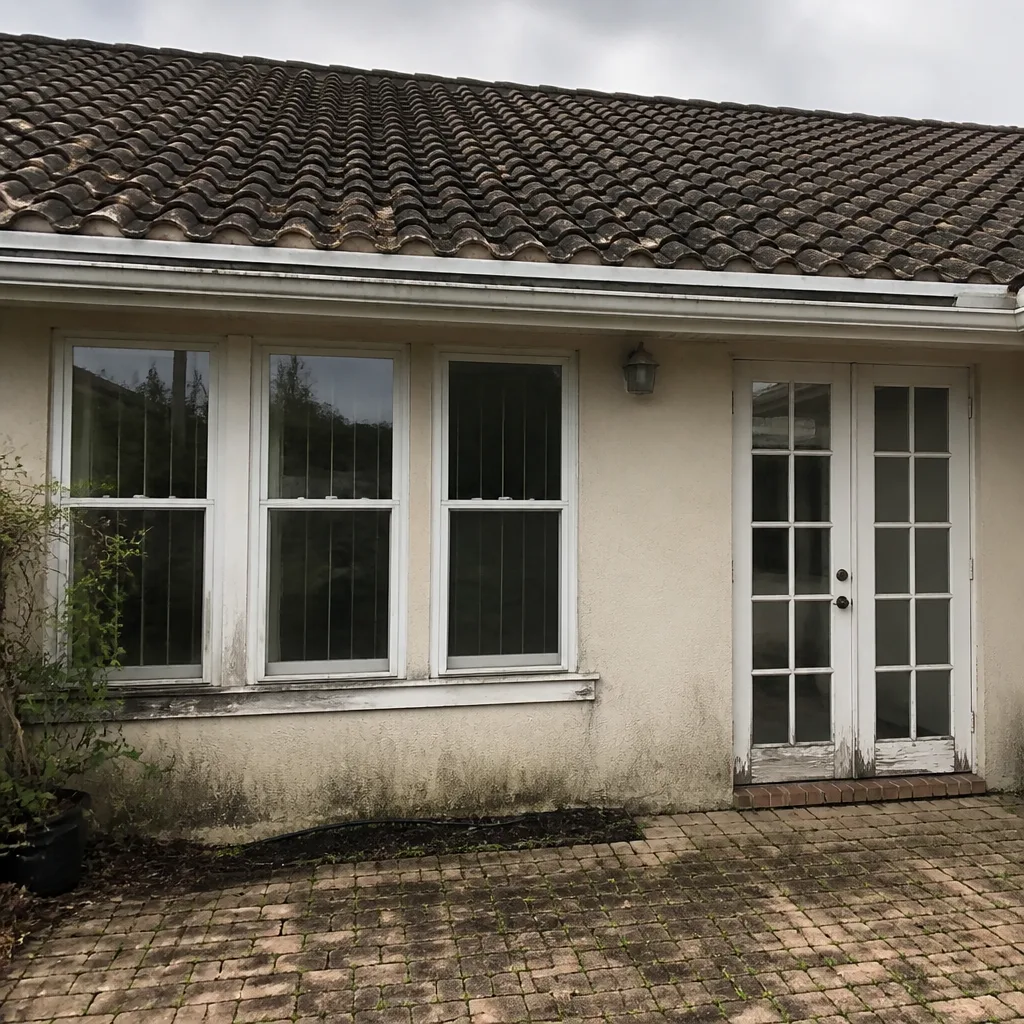 Before
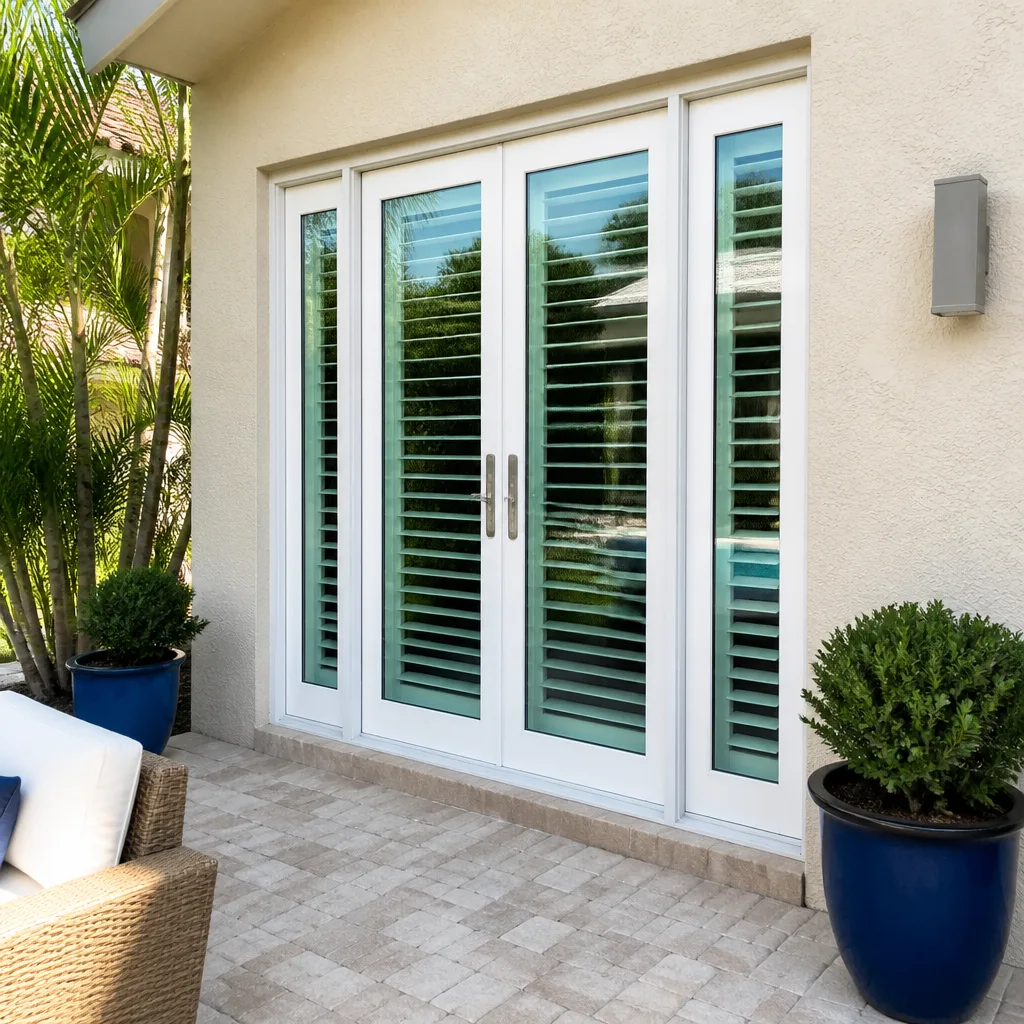 After
After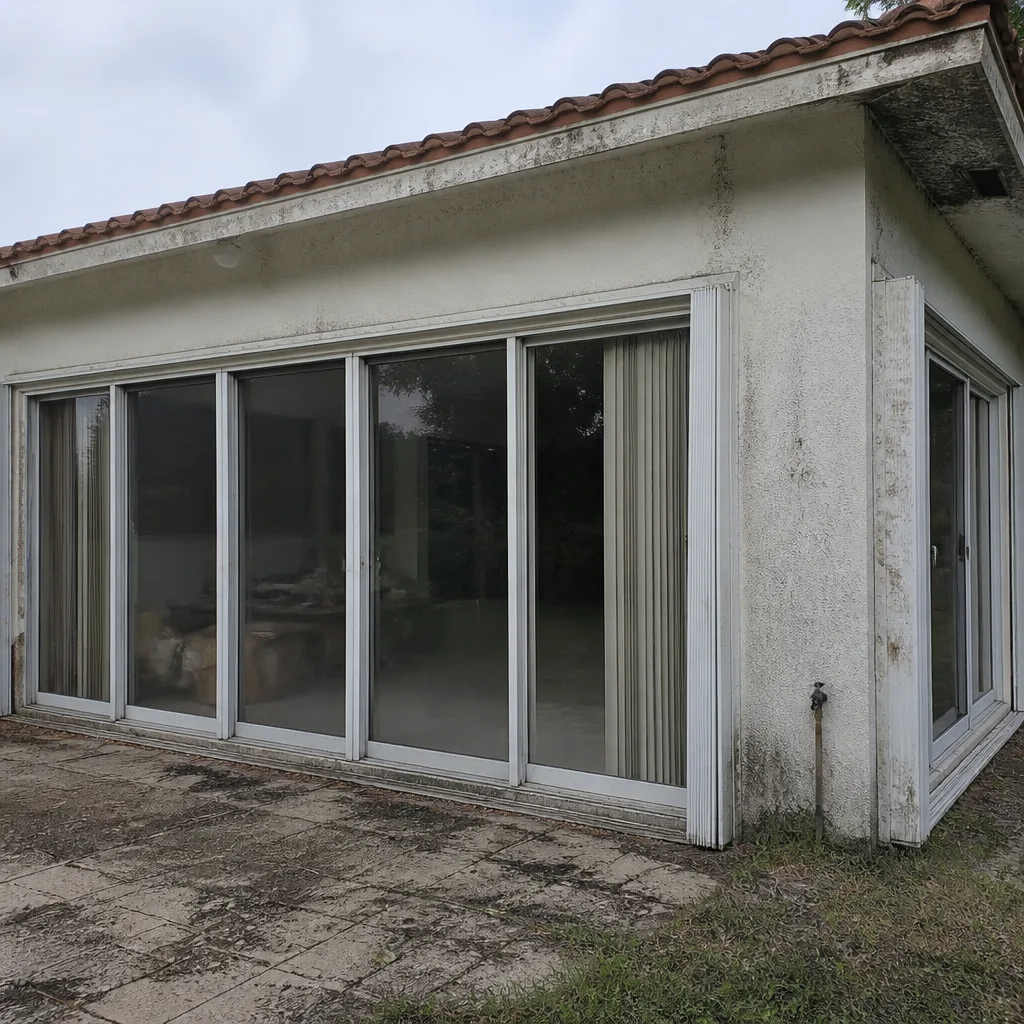 Before
 After
AfterWindow Installation Maintenance Checklist for Palm Beach Gardens Homeowners
A window that goes out of true doesn’t announce itself. It starts with a draft you can’t quite place, a lock that needs a second push, or a utility bill that creeps up $14 a month without explanation. After years of setting glass in Florida homes, we’ve learned that Palm Beach Gardens homeowners who catch these small warnings in year one save themselves a full replacement by year six. This guide lays out a season-by-season maintenance routine built for our specific climate, including the salt air, the afternoon thunderstorms, and the July heat that tests every seal in the house. You’ll learn what to check, when to check it, what to fix yourself, and what should never leave the ground without a licensed glazier on the ladder.
Quick Answer
A Palm Beach Gardens homeowner should inspect window caulking, weatherstripping, weep holes, and hardware twice a year - once in April before hurricane season and once in November after it ends. Hit the glass with a seal check during the hottest week of the year, clean the tracks and weep holes after every heavy storm, and plan for professional recaulking or hardware replacement every 5 to 7 years. If a window fogs between panes, sticks, or shows water staining at the sill, that’s a warranty or installation issue, not a homeowner fix - call a glazier before the frame starts to rot.
Table of Contents
- Why Window Maintenance Matters More in Palm Beach Gardens Than Almost Anywhere Else
- The 10-Minute Monthly Walkthrough
- The Pre-Hurricane Season Inspection (April)
- The Seal and Glass Check (July Heat Test)
- The Post-Storm Cleanup Routine
- Hardware, Tracks, and Locks: The Parts That Fail First
- When Maintenance Isn’t Enough: The Replacement Conversation
- Common Mistakes to Avoid
- When to Call a Professional
- Frequently Asked Questions
- The Bottom Line
Why Window Maintenance Matters More in Palm Beach Gardens Than Almost Anywhere Else
Palm Beach Gardens sits close enough to the Atlantic that the morning air carries salt, and far enough inland that the afternoon heat bakes it onto every exposed surface. That combination - salt deposition followed by 92-degree sun - breaks down window sealants faster than in Orlando or even West Palm Beach. We’ve pulled windows out of homes in PGA National where the exterior caulking looked fine from the sidewalk but crumbled to powder the moment we scraped it. The UV index here sits at “very high” or “extreme” for roughly eight months of the year, and that’s before you account for the wind-driven rain that finds every gap in a sill.
The other factor is moisture. A window frame in Palm Beach Gardens cycles through wet and dry dozens of times each summer week. Afternoon storms roll in, soak the exterior, and then the sun returns and cooks everything dry. Swelling and shrinking plays out at the joints, in the wood or vinyl, and along every seam where the frame meets the stucco. That’s why maintenance here isn’t a courtesy - it’s what stands between a functioning window and a water intrusion that reaches the wall framing.
The good news is that a consistent routine catches almost everything early. We’ve seen homeowners in Frenchman’s Creek who spent fifteen minutes every other month on their windows and went twenty years without a single failed seal. We’ve also seen homeowners who skipped maintenance for three years and ended up replacing eight windows in one job. The difference wasn’t luck. It was watching, cleaning, and calling when something stopped behaving the way it should.
The 10-Minute Monthly Walkthrough
Most homeowners overcomplicate this. A monthly window check doesn’t need tools, ladders, or a trip to the hardware store. It needs your eyes, your hands, and about ten minutes to circle the house. Do it on the first Saturday of the month, or tie it to something you already do - when you water the plants near the front windows, walk the whole perimeter and check every opening.
Here’s the walkthrough we recommend to our Palm Beach Gardens customers, in order:
- Close every window and run your hand along the seams. You’re feeling for air movement. In an air-conditioned house in August, even a small breach feels like a cool current against your palm. Check all four edges of each sash, not just the bottom.
- Look at the caulking line where the frame meets the exterior wall. You’re checking for cracks, gaps, or sections that have pulled away from the surface. Hairline cracks are fine for a season. Gaps wide enough to fit a fingernail are not.
- Open each window fully and look at the track. Debris collects in the channels and prevents proper drainage. If you see sand, leaves, or dead insects, wipe the track clean with a dry cloth.
- Check the weep holes on the outside bottom edge of the frame. These small slots let water drain out instead of pooling inside the track. Blow through them, or clear them with a small bottle brush if they’re blocked.
- Test the lock and the latch. A lock that sticks, grinds, or needs force to engage is telling you something. Don’t force it - note it, and keep an eye on it.
- Push gently on the glass from the inside. The pane shouldn’t flex or rattle. Movement means the glazing bead or the setting block is loose, and it’s only going to get worse.
That entire routine takes less than ten minutes once you know what you’re looking at. The point isn’t to fix everything you find that day - it’s to build a mental record of how each window behaves, so when something changes, you notice it in week one instead of month seven.
The Pre-Hurricane Season Inspection (April)
By April, the dry season is winding down and the first named storm is never as far off as it feels. For Palm Beach Gardens homeowners, this is the most important inspection of the year. It’s not about storm shutters - it’s about making sure the windows themselves can hold their own when the wind starts pushing water sideways at 70 miles an hour.
Schedule this inspection for a clear weekend in late April. Here’s the step-by-step:
- Inspect every exterior caulk joint. Wind-driven rain exploits the smallest opening. Run a utility knife lightly along any caulking that looks chalky or cracked. If it flakes, it’s time to recaulk.
- Check the flashing above each window. Look for lifted edges or gaps where the flashing meets the frame. In homes around Mirasol and Evergrene, we often find flashing that was never properly sealed when the house was built.
- Test the drainage by spraying the outside of each window with a garden hose. Watch the interior sill and the floor below for any water. Do this on a dry day so any leak is immediately visible.
- Verify that weep holes are open and angled correctly. Blocked weep holes turn a window track into a bathtub during a storm, and that water eventually finds the wall cavity.
- Confirm the locks engage fully. A closed window that doesn’t latch can rattle open under pressure changes during a storm, and then you’re dealing with water on the inside of the glass.
- Check impact glass or shutters for any damage from the previous season. A chip in impact glass doesn’t always fail, but it’s a stress point, and hurricane season is the wrong time to test it.
If you find anything that concerns you - a soft spot in the frame, water stains, a seal that’s visibly separated from the wall - April is the month to call. Once June arrives, every contractor in Palm Beach Gardens is booked, and a window that needed recaulking in April becomes a tarp and a bucket in August.
The Seal and Glass Check (July Heat Test)
If you only inspect your windows once a year, do it during the hottest stretch of summer. July in Palm Beach Gardens pushes temperatures into the mid-90s, and that’s exactly when a failing insulated glass unit shows itself. The reason is simple physics: the air between the two panes heats up and expands, increasing internal pressure. If the seal is weak, that pressure forces air and moisture into the space between the glass, and the window fogs.
Here’s what to look for during the heat test:
- Fog between the panes. This is the classic sign of a failed seal. It may come and go with temperature changes, but it never fixes itself. Once the seal is breached, the insulating gas has escaped, and the window’s thermal performance is permanently degraded.
- Wavy or distorted glass. Look at the window from an angle on a bright day. Distortion suggests the glass is under stress, which can happen if the frame has shifted or the installation was out of square.
- Condensation that won’t wipe off. Moisture on the inside of the glass is normal on a humid morning with the AC running. Moisture between the glass layers is a warranty issue.
- A white haze or film on the interior of the panes. This is mineral residue left by condensation that evaporates. It means water has been getting in for a while.
We tell customers in BallenIsles and Old Palm that July is the month to walk the house at 3 p.m. and look at every window face-on and from a 45-degree angle. The afternoon sun shows problems that morning light hides. If you see fog, haze, or distortion, write down which windows are affected and call us. The earlier we catch a failed seal, the more options you have - and the less likely you are to face a full frame replacement down the line.
The Post-Storm Cleanup Routine
Every thunderstorm in Palm Beach Gardens leaves something behind on your windows. It might be sand from a construction site off PGA Boulevard, salt spray from the Intracoastal, or leaves and palm fronds that lodge in the tracks. None of these are emergencies, but left alone, they grind away at your weatherstripping and scratch your glass every time you open the sash.
After any storm that brings significant wind or rain, spend a few minutes on this routine:
- Rinse the exterior glass and frames with clean water. Don’t use a pressure washer - a garden hose with a spray nozzle is enough. The goal is to wash salt and grit off before it bakes on in the sun.
- Wipe down the tracks with a dry microfiber cloth. Get into the corners where debris collects. If you have sliding glass doors, pull the track covers off and clean underneath.
- Clear the weep holes again. Storm debris loves to clog them. A straightened paperclip or a small pipe cleaner works well.
- Check for water at the interior sill and along the bottom of the frame. Feel for dampness, not just visible water. If the drywall below a window feels soft or cool to the touch, water got in somewhere.
- Crank open any casement or awning windows and wipe down the hinges and the arm. Salt air accelerates corrosion on exposed hardware, and Palm Beach Gardens gets enough of it that we see rusted hinges on windows less than five years old.
This routine takes fifteen minutes after each storm and saves you hundreds of dollars in hardware and weatherstripping over the life of the house. It’s the difference between a window that operates smoothly for twenty years and one that starts grinding in year six.
Hardware, Tracks, and Locks: The Parts That Fail First
The glass in your windows will likely outlast the hardware around it. In our experience at TruePane Windows & Doors, the first thing to fail on a Palm Beach Gardens window is rarely the pane - it’s the lock, the balance, or the roller. These are small, inexpensive parts that get daily use and zero maintenance, and in a coastal climate, the salt and humidity speed up their decline.
Here’s what to watch for, window by window:
- Sliding windows and patio doors: The rollers wear down, especially if sand gets into the tracks. A slider that was easy to open in March and hard to move in August needs new rollers, not more force.
- Double-hung windows: The balances - the springs or coils that hold the sash up - lose tension over time. If a sash drops when you let go, the balance is shot. Don’t prop the window open with a book; the book won’t catch it when the mechanism finally lets go completely.
- Casement windows: The crank mechanism and the operator arm are the weak points. If you feel resistance when cranking, stop. Forcing it strips the gears, and then the window won’t seal at all.
- Locks of all types: A lock that’s hard to turn is misaligned. The keep - the part mounted on the frame - has shifted, usually because the sash has sagged slightly. This is common in older homes in Palm Beach Gardens where the framing has settled over twenty or thirty years.
Lubrication helps, but use the right product. A dry silicone spray on tracks and hinges is fine. WD-40 is not - it attracts dust and eventually turns into a gummy paste that makes things worse. For locks, a small shot of graphite powder works better than any liquid.
One note on safety: if you have a heavy sliding glass door or a large window that’s come off its track, don’t try to wrestle it back in place yourself. Those panels can weigh over 150 pounds, and when they slip, they can break glass and bone. This is a situation where you call a glazier - the cost of the service call is a lot less than the cost of an emergency room visit.
When Maintenance Isn’t Enough: The Replacement Conversation
Every window eventually reaches the point where cleaning and recaulking don’t solve the underlying problem. The question for Palm Beach Gardens homeowners is knowing when that point has arrived. Replace too early and you’re spending money on windows that had another decade in them. Replace too late and you’re rebuilding a wall that’s been quietly soaking up water for three years.
Here are the signs we tell homeowners to treat as markers - not guesses, but markers that mean it’s time to start the conversation:
- Fog between the panes that’s visible every morning, not just in July. This means the seal has fully failed and the insulting gas is gone. The window is now functioning as a single pane with a gap. In Palm Beach Gardens, a permanently fogged window is costing you money on cooling from the day the seal dies.
- Water stains on the interior sill or the drywall below the window. Stains mean water is getting in regularly, not during one bad storm. Behind that drywall, you likely have mold, softened framing, or both.
- The window is visibly out of square - you can see it from across the room, or a level shows the frame is racked. A window installed out of true or a frame that’s shifted past a certain point cannot be adjusted back. It needs to come out and be reset.
- The sash is soft at the corners, or a screwdriver sinks into the frame where it shouldn’t. That’s rot, and rot doesn’t patch - it spreads. In Florida’s humidity, what you can see is usually half of what’s actually there.
- Opening and closing causes pain or requires two hands. When the hardware is gone but the frame is still sound, a hardware replacement is enough. But if the frame itself is binding because it’s warped, no new lock or roller will fix it.
When a homeowner in Palm Beach Gardens calls us for a window that’s showing one of these signs, we don’t start with a sales pitch. We start by measuring the opening twice, running a level on the frame, and checking the wall for water damage. Then we put our findings on paper with a quote that names the manufacturer line, the glass package, and the warranty duration - side by side, so you can see exactly what you’re buying and what it covers. That’s the TruePane Windows & Doors way, and it’s the only way we’ve ever done it.
Common Mistakes to Avoid
- Using a pressure washer on window frames or glass. We see this a lot in Palm Beach Gardens, where homeowners want to blast off a summer of grime fast. A pressure washer forces water past the seals, into the track, and behind the frame. It creates the very water intrusion you’re trying to prevent.
- Painting over weep holes or caulking them shut. If you’re repainting the exterior, make sure the painter knows where your weep holes are and tapes them off. A blocked weep hole guarantees water inside the frame.
- Ignoring a sticking window because it still “works.” A window that binds is a window that’s changing shape. The longer you force it, the more damage you do to the frame, the hardware, and the seal.
- Assuming a foggy window is “just condensation” from the Florida humidity. Condensation on the room side of the glass is normal in August. Fog between the panes is a dead seal, and it never resolves on its own.
- Replacing the glass without checking the frame. If the frame is racked or rotting, new glass won’t sit right and won’t seal. You’ll spend good money and still have a window that leaks. We always check the frame before we quote glass.
- Putting off a post-hurricane inspection because the windows look fine from the street. Wind-driven water can enter a window and wet the wall cavity without leaving any visible trace from outside. Stains show up inside, sometimes months later.
- Using household cleaners with ammonia on tinted or coated glass. Ammonia breaks down window films and coatings over time. A mild soap-and-water solution or a dedicated glass cleaner is safer for everything except bare, untinted glass.
When to Call a Professional
Most of the maintenance in this guide is safe for a homeowner to handle. Cleaning tracks, checking weep holes, replacing weatherstripping, lubricating hinges - these are weekend tasks, not contractor calls. But there are situations where the right move is to pick up the phone and let a trained glazier take a look. If a window has fallen out of the frame, if the glass is cracked all the way through, if you see water staining on interior walls or a soft spot in the frame, or if a large slider has come off its track, this is not a DIY moment. Heavy glass and compressed springs can cause serious injury when they let go.
Our rule at TruePane Windows & Doors is simple: if it involves the wall, the frame’s structural integrity, or a pane heavy enough to break bone, it involves a professional. If it involves a cloth, a brush, and a can of silicone spray, it’s yours. For anything in between, we’re happy to look. We offer free estimates in Palm Beach Gardens, and we won’t charge you to tell you what’s wrong - call (772) 794-8169 and a live person will answer, even at midnight when the thunderstorm’s rattling the windows and you just want to know if that crack is a problem.
Frequently Asked Questions
Twice a year is enough for most homes: once in April, before hurricane season begins, and once in November, after it ends. Add a quick visual check after any major storm. If you live near the Intracoastal or in a neighborhood with heavy tree cover, a monthly walkthrough is worth the ten minutes.
For routine cleaning and inspection supplies - cloths, silicone spray, weatherstripping, yard hose - you’re looking at $30 to $80 a year in materials. Professional services run higher: a full-home inspection typically runs $150 to $300 in Palm Beach Gardens, and recaulking a standard window costs $75 to $175 per window depending on access and how much old caulk has to come out first. Call (772) 794-8169 for a quote on your specific house - estimates at TruePane Windows & Doors are free, and our maintenance check includes a full inspection.
Many manufacturer warranties cover the insulated glass unit for 10 to 20 years against seal failure, but the coverage depends on the brand and on proper installation. A window that was installed out of square can fail prematurely, and some manufacturers void the warranty if the installation wasn’t done to spec. We register both warranty layers in writing on every job - the manufacturer’s coverage and our own Done Right Promise - so there’s never a question about what’s covered and for how long.
In our experience, a quality window installed correctly in Palm Beach Gardens lasts 20 to 30 years before the frame needs replacement - but the seals and hardware typically need attention much sooner. Expect weatherstripping to last 5 to 7 years, window balances 10 to 15 years, and insulated glass seals 15 to 20 years. Homes closer to the ocean tend to hit the low end of those ranges because of salt exposure.
In many cases, yes. If the frame is square, sound, and free of rot, we can remove the failed insulated unit and set a new one in the existing frame. It costs less than a full window replacement and takes a few hours. But if the frame has shifted, rotted, or was installed out of true, new glass won’t solve the problem - and we’ll tell you that on the first visit rather than quote a fix that won’t hold.
Window replacement in Palm Beach Gardens falls under the city’s building department, and permits are required for most full-frame replacements. TruePane Windows & Doors pulls permits, schedules inspections, and makes sure everything passes before we call the job done. If a contractor tells you a permit isn’t necessary for a full window replacement, call the city and confirm - don’t take the contractor’s word for it. We handle the permitting on every job, so there’s zero paperwork for you.
The Bottom Line
A window in Palm Beach Gardens lives a hard life: sun, salt, storms, and humidity, all cycling through the same frame, week after week and year after year. The homeowners who get twenty good years out of their windows are the ones who watch them - who feel for drafts, clear the weep holes, check the caulking each April, and call when a sash starts to stick. The maintenance is cheap. The replacement isn’t. Do the walkthrough, fix the small things while they’re still small, and when a window has finally had enough, call a glazier who measures twice, registers the warranties in writing, and stands behind the work. That’s how you keep a house in Palm Beach Gardens glass-true for the long haul.
Written by Dale Kessler, Owner at TruePane Windows & Doors, serving Palm Beach Gardens since 2008.
Six Reasons Homeowners Choose TruePane Windows & Doors
Impact systems engineered to design pressures up to +/-100, matched to your wind zone - your openings hold when the storm arrives.
Low-E insulated impact glass from our manufacturer lines commonly cuts monthly cooling bills 20-30%.
Laminated impact glass shuts out up to 40% of outside noise - traffic, neighbors, weather.
Monitoring services run $30-90 a month. Laminated impact glass resists forced entry around the clock, with no subscription.
Florida homeowners average around 25% savings on the windstorm portion of their policy after protecting every opening - some homes qualify for more.
A full impact package upgrades curb appeal, buyer confidence and appraised value in one project.