
Last updated August 27, 2026
Free in-home measure and quote - PGT, CGI and CWS impact lines compared on your actual openings, style by style
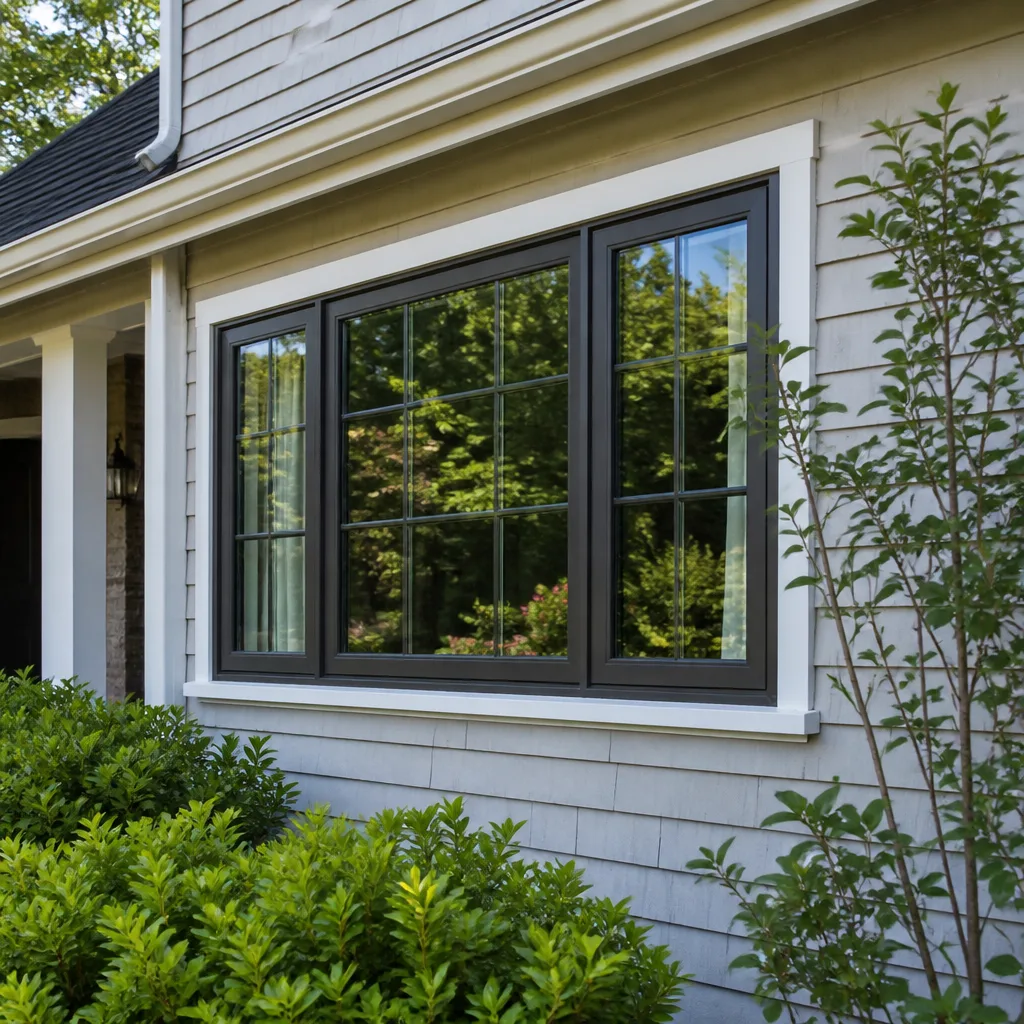
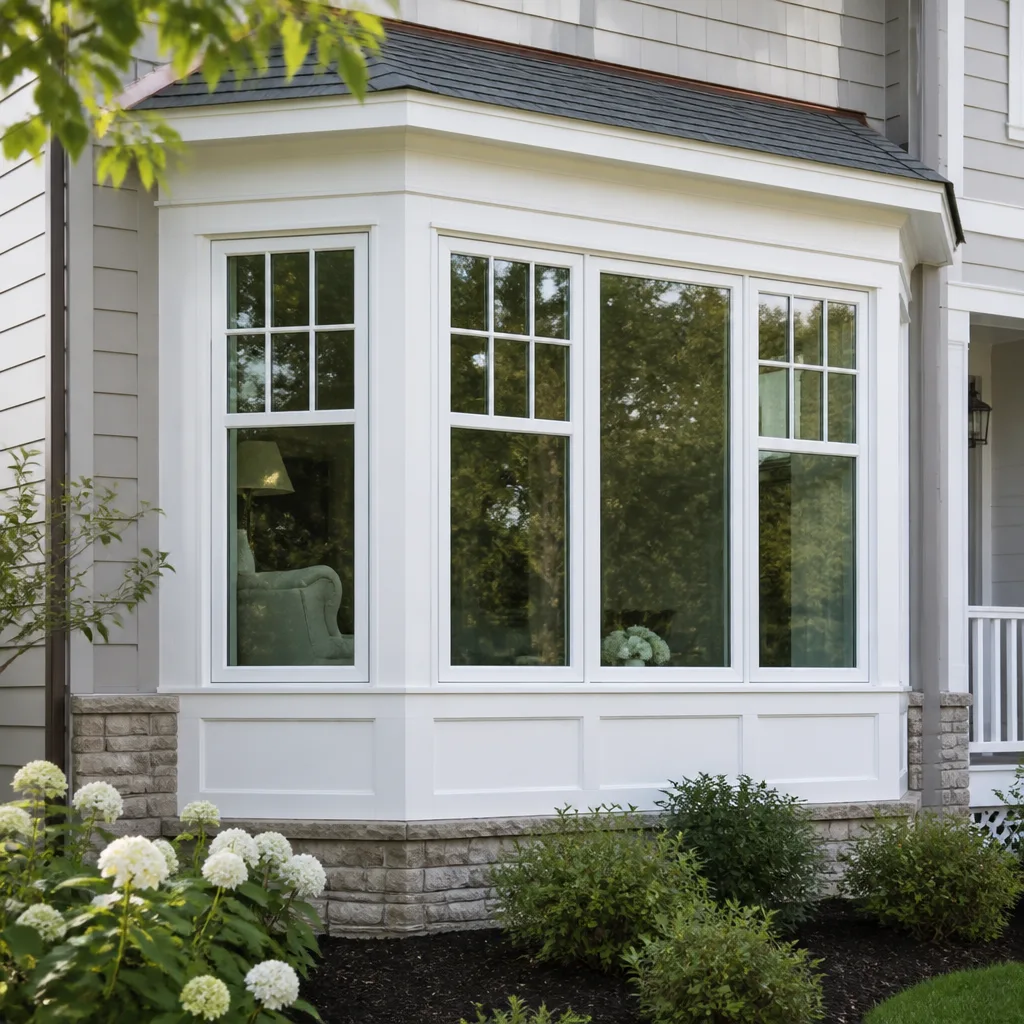
Sliding glass doors
Impact garage doorsPGTCGI
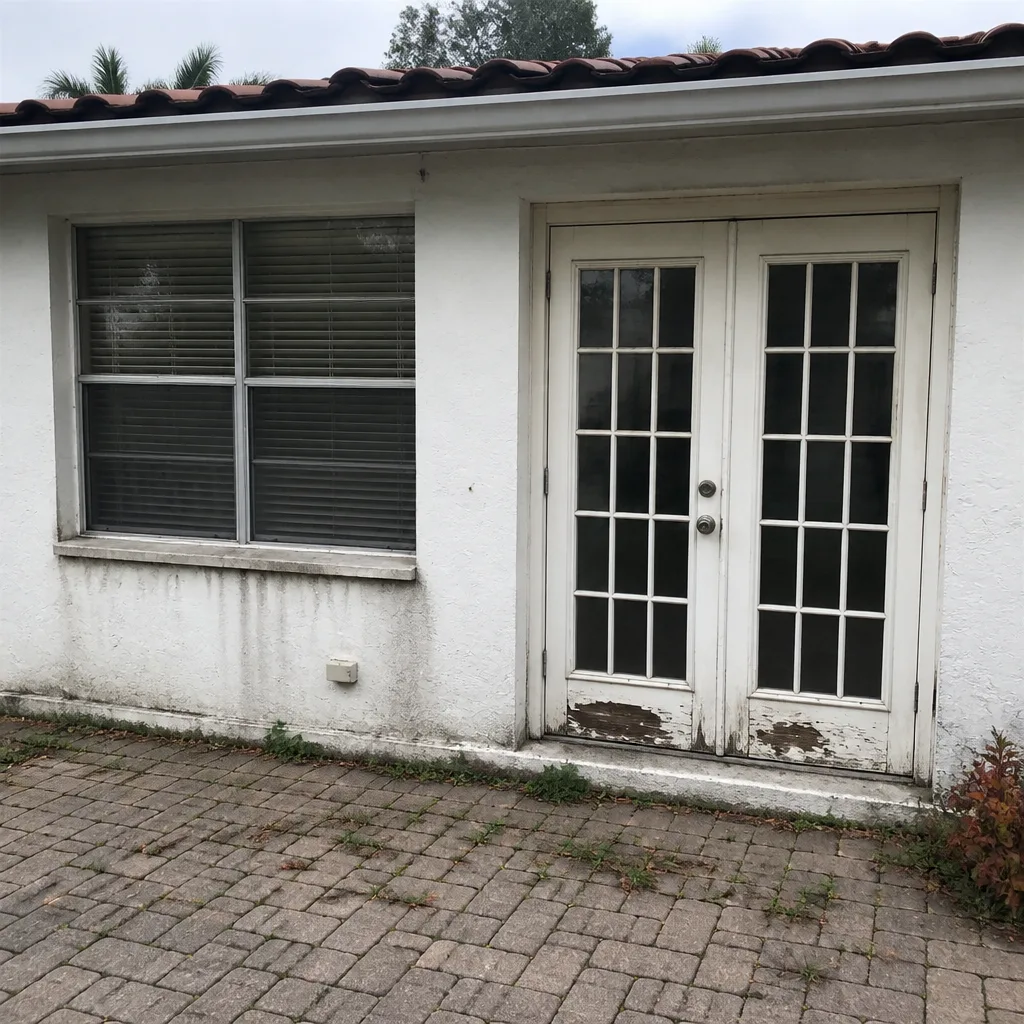 Before
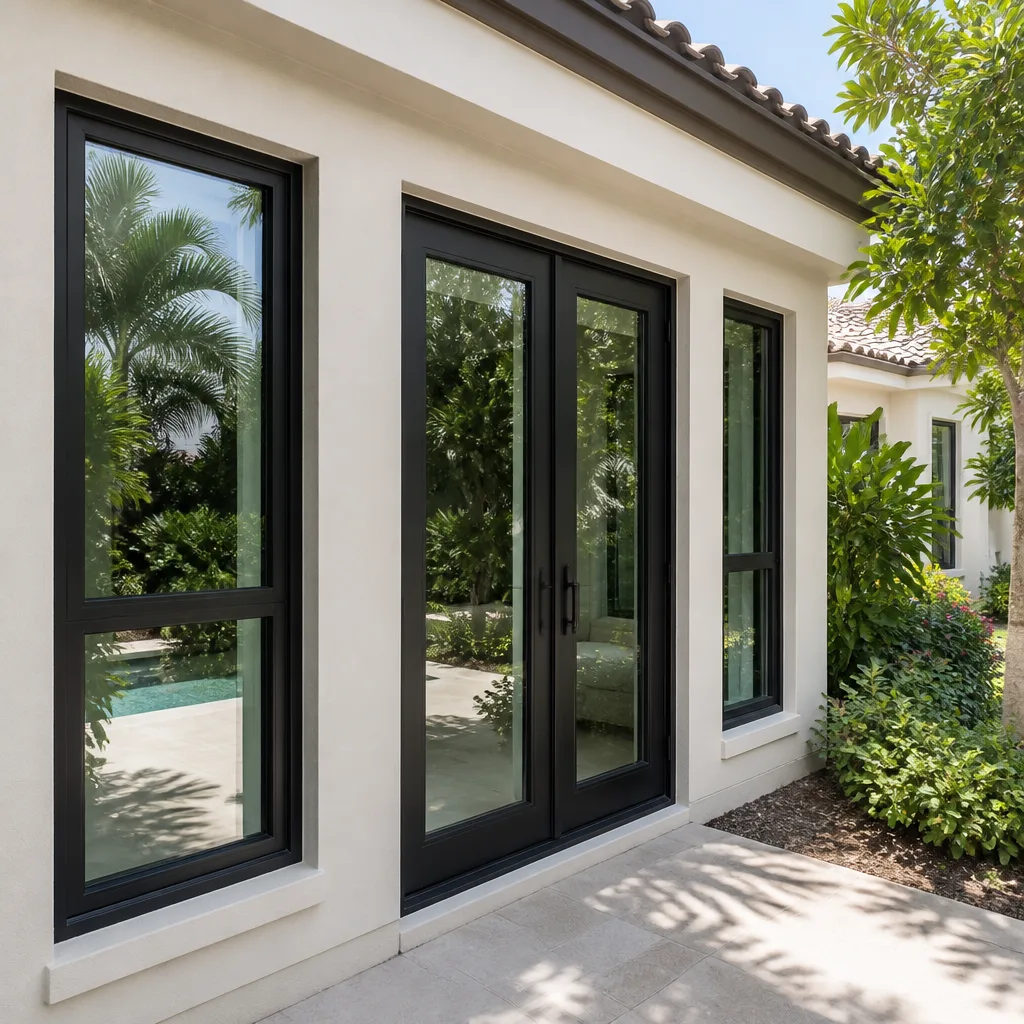 After
After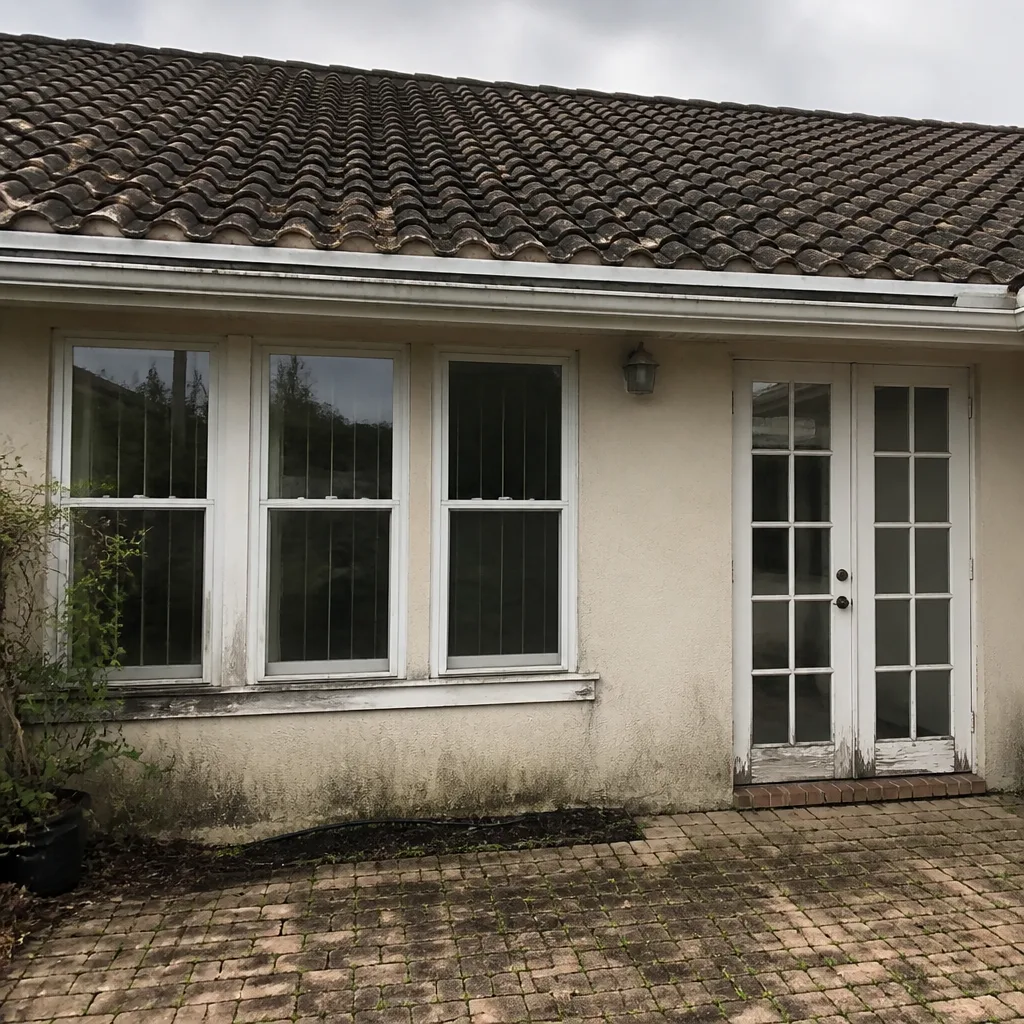 Before
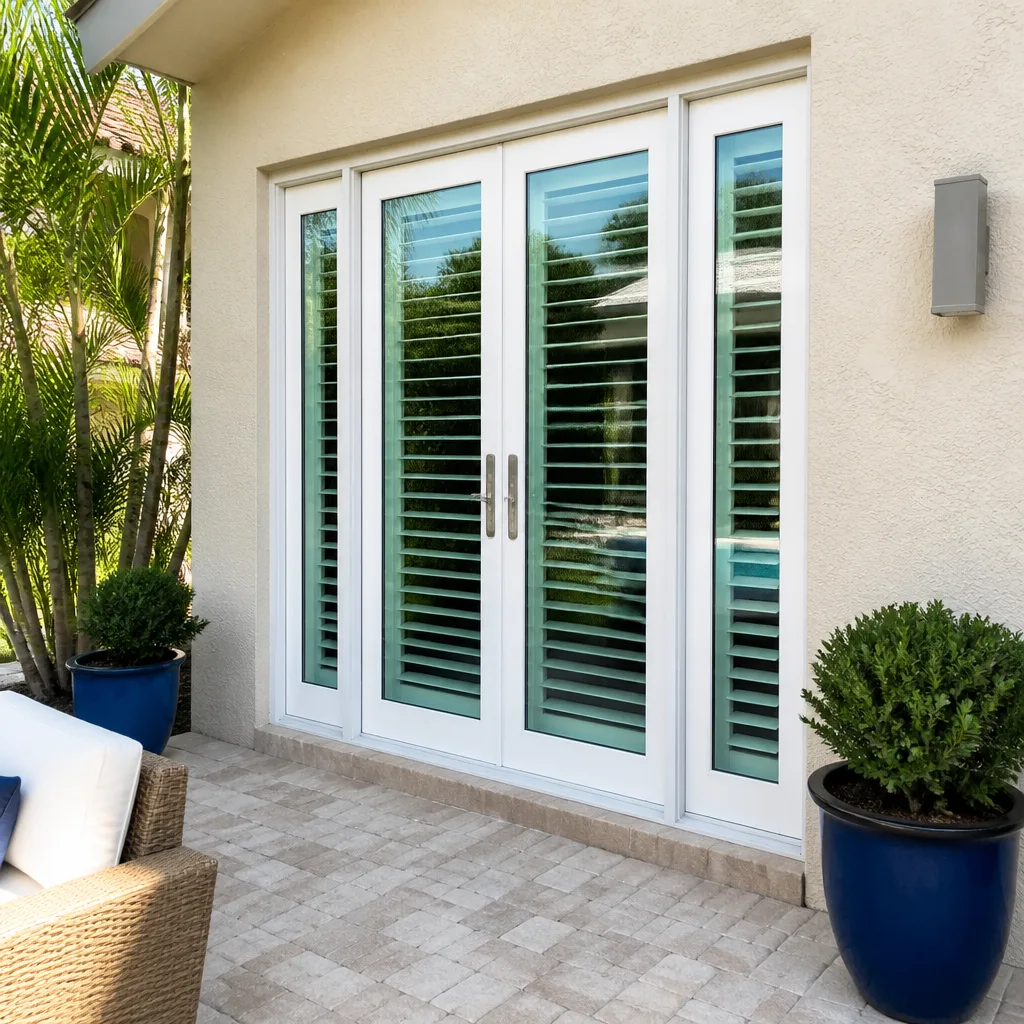 After
After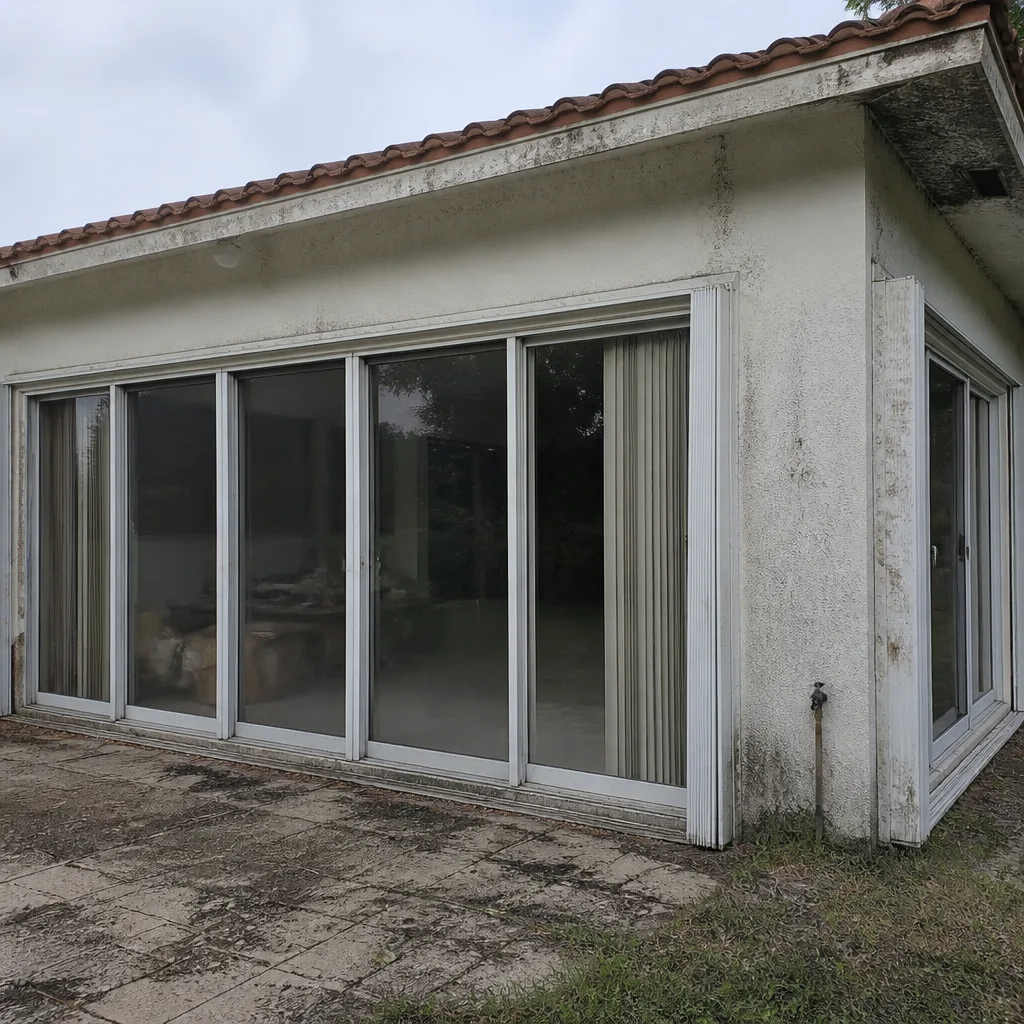 Before
 After
AfterWindows & Doors Warning Signs: A Palm Beach Gardens Homeowner’s Reference Guide
Most window and door failures in Palm Beach Gardens don’t announce themselves with shattered glass or a door that won’t close. They whisper first: a faint rattle during afternoon thunderstorms, a lock that needs a little extra jiggle, a utility bill that creeps up ten dollars a month for no reason you can name. By the time the problem is obvious, you’re usually looking at a full replacement instead of a repair. This guide walks you through the warning signs we’ve learned to recognize over four decades of working on homes in this city, what each one means, and when it’s worth calling someone before a small issue becomes a big invoice.
Quick Answer
The earliest warning signs of window and door problems in Palm Beach Gardens are condensation or fog between glass panes, difficulty opening or closing, drafts you can feel with your hand, visible daylight around frames, and rising energy bills. In this coastal climate, salt air and hurricane-season pressure changes accelerate seal failure and frame movement faster than inland Florida. Most of these issues can be repaired if caught within the first year or two; left alone, they typically require full replacement within three to five years.
Table of Contents
- Fogged or Cloudy Glass: What It Actually Means
- Doors and Windows That Stick, Bind, or Won’t Latch
- Drafts, Temperature Differences, and the Hand Test
- Condensation Inside, Outside, and Between the Panes
- Water Stains, Soft Trim, and Hidden Rot
- Rising Energy Bills and What Palm Beach Gardens Windows Have to Do With It
- Impact Glass Aging: What Palm Beach Gardens Homeowners Should Know
- Hardware Wear: Locks, Rollers, Cranks, and Hinges
- Common Mistakes to Avoid
- When to Call a Professional
- Frequently Asked Questions
- The Bottom Line
Fogged or Cloudy Glass: What It Actually Means
Fog between the panes of a double-pane window is the most common warning sign we see in Palm Beach Gardens, and it’s also the most misunderstood. That haze is not condensation you can wipe away. It means the seal around the insulated glass unit, the IGU, has failed. The desiccant inside the spacer bar, the material that absorbs moisture during manufacturing, has become saturated. When that happens, the inert gas between the panes, usually argon, has already leaked out, and outside air is circulating in.
Why does this matter in Palm Beach Gardens specifically? Because our humidity levels hover above seventy percent for most of the year. A failed seal in Phoenix might go unnoticed for a decade. Here, moisture invades failed units fast, and once minerals in the water vapor etch the inside of the glass, the cloudiness becomes permanent. The window still works as a physical barrier, but it has lost its insulating value and its clarity.
Here’s what you should know:
- Early sign: A light fog that appears in the morning and clears by afternoon. The seal is starting to fail.
- Mid-stage: Persistent haze that never clears, often accompanied by faint mineral streaks. The unit is done.
- Late stage: Visible water droplets or mineral deposits between the panes. This is not negotiable; it’s a replacement.
In our experience, most Palm Beach Gardens homeowners notice fogged glass in east-facing windows first. The morning sun heats the glass, expands the trapped air, and forces moisture against the interior surface where it’s visible. If you’re seeing it in one window, check the others. Seals tend to fail in batches, especially in homes built during the same construction cycle from the mid-1990s through the late 2000s.
The fix depends on the window’s age and frame condition. If the frame is sound, the glass unit can often be replaced without replacing the entire window. That’s a conversation worth having before anyone quotes you a full-frame replacement. If the frame is aluminum, original to the house, and already twenty years old, replacement may be the better long-term math. We’ll talk about that tradeoff more in the hardware section.
Doors and Windows That Stick, Bind, or Won’t Latch
Every homeowner in Palm Beach Gardens has lived with a door that sticks in summer and closes fine in winter. Most people assume it’s normal in Florida. It’s not. It’s a signal that something is moving: the door, the frame, or the house itself.
Wood doors and wood window frames absorb moisture from humid air and expand. During our rainy season, from May through October, that expansion is enough to bind a door that swung freely in March. Aluminum frames move less, but they’re mounted in openings cut into wood framing that does move. The result is the same: the door or window binds at the top, the latch doesn’t align, or you have to shoulder the door open after an August thunderstorm.
Here’s the difference between normal and concerning:
- Seasonal movement: The door binds every summer, frees up every winter, and the pattern repeats year after year. It’s annoying, but it’s manageable with minor adjustments.
- Progressive movement: The door binds a little more each year. The latch needs adjustment every few months. New gaps appear at the top or bottom. This is structural movement, and it’s worth someone trained looking at it.
- Sudden movement: A door or window that worked last week suddenly won’t close. In Palm Beach Gardens, this often follows heavy rain and can signal foundation settling, water intrusion, or failed framing.
Sliding glass doors deserve a section of their own. In our service area, a sliding patio door that’s hard to move is usually one of three problems: worn rollers, debris in the track, or a door that has come out of plumb. Worn rollers are the most common and the easiest fix. The door sits lower on one side, drags on the track, and eventually scores the aluminum. Replace the rollers before that happens and the door will glide for another decade. Let it go and you’re buying a new door.
One thing we tell homeowners: don’t force it. Lubricant spray in the track is a temporary fix and often makes things worse by attracting sand and grit. If a door or window is fighting you, the mechanical issue is usually small, but the damage from forcing it is not.
Drafts, Temperature Differences, and the Hand Test
The hand test is the simplest diagnostic tool a homeowner can use, and it costs nothing. On a warm day with the air conditioning running, hold the back of your hand two inches from the edge of a closed window. Move slowly around the entire perimeter. If you feel cold air on your skin, the window is leaking conditioned air. Do the same around every entry door, including the garage door. What you’re feeling is not a draft from outside; it’s your paid-for cold air escaping into the Florida heat.
Then do the reverse. On a day in January or February when we get one of those cool snaps down into the forties, hold your hand near the same spots. Warm air seeping in means heated air is leaking out. The temperature difference is how you find leaks without buying a thermal camera or paying for an energy audit.
Where we find drafts most often in Palm Beach Gardens homes:
- Bottom corners of single-hung and double-hung windows where the sash meets the sill.
- Along the strike side of entry doors where the weatherstripping has compressed over years of use.
- At the meeting rail of sliding windows, the place where the two sashes overlap.
- At the threshold of sliding patio doors where the sweep has worn away.
- Around frame exteriors where caulk has dried and cracked under constant UV exposure.
What drafts mean for your house in practical terms: your AC unit works harder to hold the thermostat set point. Your humidity control struggles, because outside air carries moisture inside. And in a storm, the same gap that lets air through will let wind-driven rain through. Drafts are never just a comfort issue. They’re the first sign of an envelope problem, and in South Florida, envelope problems turn into water problems quickly.
Some drafts are correctable with new weatherstripping, a fresh sweep, or recaulking. Those are maintenance items, quick and cheap. Others indicate the window frame itself has moved, the sash is out of square, or the opening was never flashed correctly from the start. That’s a bigger conversation, and worth having before the next hurricane season puts twenty inches of rain against your west-facing walls.
Condensation Inside, Outside, and Between the Panes
Not all condensation is a problem. In fact, condensation on the outside surface of modern windows is usually a sign the window is doing its job. But you need to know which kind you’re looking at, because the rules are different in Palm Beach Gardens than they are in Orlando, and a misread can send you chasing a problem that doesn’t exist.
Here’s the simple framework we use with homeowners:
Condensation on the outside of the glass. This happens on cool winter mornings when the outside air is damp and the glass has been cooled by your air conditioning. The window is insulating properly. The cold surface is the outside pane, and moisture condenses on it just like it does on a cold drink. Nothing is wrong. Clean the glass and move on.
Condensation on the inside of the glass. This is the one to pay attention to. It means the inside surface of the window is cold enough to condense moisture from the air in your home. In a properly insulated window in our climate, this should be rare. If you’re seeing it regularly, the window’s insulating layer has likely failed, or the window is a single-pane unit that is thoroughly outmatched by Palm Beach Gardens humidity. Either way, the window is telling you it is no longer doing the job.
Condensation between the panes. Go back to the fogged glass section. This is a failed seal, full stop. The argon is gone, the desiccant is spent, and the only cure is replacement of the glass unit.
A note on older homes: we work in neighborhoods throughout this city where the original windows are single-pane aluminum frames installed in the 1970s and 1980s. Those windows condense inside all summer long. They also rattle in storms and transmit heat straight into the house. If that describes your windows, you’re not looking at a repair question. You’re looking at a replacement conversation, and with impact-rated products now required by code on most openings, the decision has financial and insurance implications worth planning around.
Water Stains, Soft Trim, and Hidden Rot
Water leaves evidence. That’s the good news. By the time water has rotted a window frame, sagged a door header, or bloomed mold on baseboard trim, it has been entering for a while, and it usually leaves a trail you can spot early if you know where to look. The bad news is that most homeowners don’t look, and by the time the stain appears on the painted surface, the structural member behind it has been wet for months or years.
In Palm Beach Gardens, water intrusion happens in a few predictable ways. Wind-driven rain from summer thunderstorms finds its way through failed corner joints on window frames. Clogged weeps, the small drain holes at the bottom of most window and sliding door frames, back water up into the track and over the sill. Improperly flashed openings channel water behind the stucco and into the wall cavity. And on the coast, salt water in the air accelerates corrosion on aluminum fasteners and frame corners, opening hairline gaps that freshwater rain then exploits.
What to check, in order of priority:
- Inside corners of window frames and door frames near the floor. Look for paint that’s bubbling, cracking, or a slightly darker shade than the surrounding area.
- Baseboards and drywall below and beside windows. Stains, soft spots, or a faint musty smell. Press on the drywall gently. If it gives more than it should, water has been there.
- Caulking lines on the exterior around every window and door. In our sun, exterior caulk lasts four to seven years before it hardens, cracks, and pulls away. Check it every spring.
- Thresholds and door sweeps. A metal threshold that’s loose or floating, or a sweep that’s torn, invites water under the door during any storm that drives rain against that wall.
- Sill tracks on sliding glass doors. If water pools in the track after a rain instead of draining out the weeps, the weeps are blocked and the door is flooding its own frame.
Here’s the thing we repeat to homeowners: water problems never get cheaper with time. The early fix is often a tube of sealant and an hour of labor. The late fix is a torn-out wall, replaced framing, mold remediation, and a new window. If you see any of these signs, have it looked at. The estimate is free, and the peace of mind costs nothing.
Rising Energy Bills and What Palm Beach Gardens Windows Have to Do With It
FPL publishes average usage figures for our region, and if you’ve lived in the same Palm Beach Gardens house for ten or more years, you know your baseline. When your bill runs consistently higher than that baseline without a matching change in thermostat habits, something in the house is working against you. Windows and doors are usually the first suspects, because in our climate they are the largest thermal weak points in the building envelope.
Single-pane aluminum windows conduct heat directly into the house. The frame itself is a heat bridge, and the glass offers almost no resistance to radiant heat. If your home still has original windows from the 1980s or earlier, replacing them is typically the single most effective energy upgrade you can make. You’ll hear varying numbers about what percentage of cooling load is lost through windows; the honest answer is that it depends on the house, the orientation, the shade, and the AC system. But the direction of the effect is not in doubt.
Older double-pane units that have lost their gas fill behave like single-pane windows. The glass is the same, the coating may be deteriorated, and the insulating gap that made them efficient is now just a dead air space. If your windows are fogged, they’re already costing you money, even if the AC unit is new and efficient.
What to look for in the bills:
- Summer bills that keep climbing while the thermostat stays at the same set point.
- Rooms that run hot no matter how the vents are adjusted, especially west-facing rooms with large window areas.
- Humidity problems that force you to run the AC lower to feel comfortable, even though the temperature reads the same as always.
We’re not energy auditors, and we don’t pretend to be. But we’ve been installing windows in this city long enough to know what happens when functional, properly sealed, impact-rated units replace failed originals. The bills come down. The house holds temperature more evenly. And the AC unit gets a longer, easier life because it’s no longer fighting outside air that leaks in around tired windows and doors.
Impact Glass Aging: What Palm Beach Gardens Homeowners Should Know
Impact windows and doors are not maintenance-free, and they are not immortal. That’s a message worth stating plainly, because many homeowners in Palm Beach Gardens bought impact-rated products after Hurricane Wilma or during the post-2005 building boom, and those units are now twenty years old. They are approaching the end of the practical service life for their seals, their laminated interlayers, and in some cases their frames.
Impact glass is built differently than standard insulated glass. The outer ply is laminated: two pieces of glass bonded with a plastic interlayer, designed to hold together if the glass shatters under windborne debris. The inner ply is standard annealed or tempered glass. The two plies are combined into one IGU with a sealed air or gas space between them.
What happens to impact glass over two decades in our climate:
- Seal failure: Same as any IGU. The perimeter seal degrades, the desiccant saturates, and fog appears between the panes. On impact units, this is especially problematic because the laminated outer ply is not replaceable; the whole unit must be swapped.
- Interlayer delamination: The plastic interlayer can separate from the glass at the edges, especially on units with direct sun exposure. You’ll see a cloudy or milky band around the edges of the glass. The impact performance is compromised before you can see it.
- Frame corrosion from salt: Homes within a few miles of the Intracoastal or the beaches deal with salt-laden air that corrodes aluminum frames and fasteners faster than inland properties. We see this regularly in neighborhoods closer to the water.
- Hardware fatigue: Impact-rated doors are heavy. The hinges, rollers, and latch components work harder than those on standard doors, and they wear out on roughly the same schedule.
If your impact windows were installed fifteen or more years ago and you’re seeing any of the signs covered in this guide, schedule an inspection before the start of hurricane season. A damaged impact-rated unit that fails during a storm is worse than a standard unit failing the same way, because it gives a false sense of protection until the moment it doesn’t work. The inspection is cheap compared to what a breach costs.
Hardware Wear: Locks, Rollers, Cranks, and Hinges
Hardware is the part of the window or door you interact with, which means it’s the part that wears out first and the part homeowners most often try to live with rather than fix. A lock that grinds. A crank that takes increasing effort to turn. A sliding door that won’t glide. A hinge that squeaks and sags. These are not personality quirks of your house. They are mechanical components at the end of their service life, and every one of them can be replaced.
Let’s go through the common hardware failures we repair in Palm Beach Gardens homes:
Sliding door and window rollers. These are the small wheels at the bottom of the panel that carry the weight of the door or sash. They wear out. When they do, the door drags, the track gets damaged, and the panel becomes harder to move each month. Roller replacement is one of the most common repairs we do, and it changes the feel of a door from “I’ll deal with it” to “why didn’t we do this years ago” in about an hour.
Crank mechanisms on casement and awning windows. The gears inside these cranks are usually zinc or pot metal. After ten or fifteen years of use, the teeth wear down, and a crank that once turned easily becomes a two-handed struggle. Forcing it strips the gears completely and suddenly the window won’t close at all. Replacement operators are readily available for most manufacturer lines, including Jeld-Wen, Ply Gem, and Simonton, which are the brands we see most often in homes around this city.
Mortise locks and multi-point locks on entry doors and French doors. A multi-point lock shoots bolts at three points along the door edge. When the door is out of alignment, even slightly, the bolts don’t throw cleanly, and the mechanism binds. Homeowners respond by slamming the door or forcing the handle, which accelerates the misalignment. The fix is usually alignment, not lock replacement, but the trick is addressing it before the internal linkage bends.
Door hinges. A sagging door is often just a hinge problem. Screws loosen in the jamb, the hinge leaf backs off, and the door drops a quarter inch, which makes it rub at the top and not latch at the strike. Tighten the screws, or replace the hinge if the barrel is worn, and the door squares up again. This is a simple fix until it isn’t: if the jamb itself is soft or split from years of hinge movement, you’re into frame repair territory.
Hardware replacement is always cheaper than door or window replacement, and in most cases it restores the original function completely. The key is acting before the worn hardware damages the frame around it. A dragging door wears the track. A binding lock warps the door edge. If you feel the hardware fighting you, that’s the sign.
Common Mistakes to Avoid
- Ignoring fogged glass because “it’s just cosmetic.” Fog between panes means the IGU seal has failed and the window’s insulating performance is gone. In Palm Beach Gardens humidity, the problem accelerates, and the unit only gets worse.
- Forcing doors and windows that bind. Applying force to a door or window that’s resisting usually damages the frame, the hardware, or both. The underlying issue is almost always fixable, but the damage from forcing it may not be.
- Using silicone spray as a permanent fix for sliding doors. Spray lubricant picks up sand and grit from the track, turning into an abrasive paste that accelerates roller wear. Lubrication is not a substitute for replacing worn rollers.
- Caulking over rotted wood or failed seals. A bead of caulk over a soft frame hides the problem while it worsens underneath. Water that’s already in the wall needs to be addressed, not sealed in.
- Waiting until hurricane season to test impact windows and doors. Every spring, Home Depot and Ace Hardware run out of supplies as homeowners discover problems during the first named storm of the year. Test your units in January or February, when repairs are faster and cheaper to schedule.
- Assuming all condensation means the window is defective. Outside-surface condensation on cool mornings is normal and actually indicates the unit is insulating well. Know the difference before you call for service on a healthy window.
- Replacing windows without asking about the warranty registration process. A window is only as good as its warranty, and a warranty is only as good as its registration. If the installer can’t tell you in writing what’s covered and for how long, keep looking.
When to Call a Professional
You should call a professional when you see fog between glass panes that doesn’t clear, when a door or window binds progressively worse each season, when you find water stains or soft wood around any opening, when your energy bills are climbing without explanation, or when impact-rated units are fifteen years old and have never been inspected. You should also call before buying a house in Palm Beach Gardens if the windows and doors are original to the home, because the cost of replacement belongs in the negotiations.
Not every warning sign requires a replacement. Many are repairs: new rollers, new weatherstripping, a re-caulked frame, a replaced IGU, a realigned door. The value of a professional evaluation is knowing the difference and getting the numbers on paper before committing to anything. TruePane Windows & Doors offers free estimates in Palm Beach Gardens. Call (772) 794-8169 to schedule one, and we’ll give you a written line-item quote with no pressure and no surprise line items.
Frequently Asked Questions
Window replacement in Palm Beach Gardens typically runs between $800 and $2,500 per opening depending on the size, frame material, glass package, and whether the unit is impact-rated. Impact windows, which are required by code for most replacement openings in this city, sit at the higher end of that range. Call (772) 794-8169 for an exact quote on your specific windows. Estimates are free, and we show you manufacturer lines side by side so you see exactly what you’re paying for.
Well-made impact windows from manufacturers like PGT and Simonton are designed for a service life of twenty to thirty years before the seals and laminated interlayers begin to degrade, though coastal salt exposure can shorten that on aluminum frames. The glass may survive a storm, but the seals will fail over time, and a fogged impact unit is no longer performing as designed. We recommend an inspection every five years after year fifteen.
The glass unit can usually be replaced without replacing the whole window frame, as long as the frame itself is still square and structurally sound. In Palm Beach Gardens, this applies to most windows under twenty years old. If the frame is already failing, the math changes; that’s when full replacement makes more sense. We’ll tell you honestly which side of that line your windows are on.
Use the hand test: on a warm day with the AC running, hold your hand near the perimeter of each window and door. If you feel cold air escaping, the openings are leaking. If the house still feels drafty with new windows and doors in place, the problem may be elsewhere, but leaky openings are easier to fix and far more common. A free estimate includes a walkthrough of your openings, and we’ll tell you what we find.
It depends on the current condition of your openings. Replacing single-pane aluminum windows with modern impact-rated insulated units reduces heat gain and air leakage, which typically results in lower cooling costs and better humidity control. The exact savings depend on the house, the orientation, and your usage habits, but the direction of the effect is consistent. Homes that run hot in west-facing rooms see the fastest improvement.
The Done Right Promise means that if we install a window or door and something isn’t right within ninety days, we make it right, no paperwork fights and no fine print. It’s backed by The Keystone Standard, under which we register both manufacturer warranty layers in writing and state the durations before the truck leaves the driveway. If the pane is not true, the job is not done. That’s the founding rule Dale Kessler still keeps on the whiteboard.
The Bottom Line
Windows and doors in Palm Beach Gardens do not fail silently. They fog, they bind, they leak air, they collect water stains, and they show up on your FPL bill. The homeowner’s job is to read the signs early, because every one of these problems is cheaper to fix in its first year than in its fifth. You don’t need to become an expert. You need to know what your windows are telling you and who to call when you’re not sure what you’re seeing. That call costs nothing. The estimate is free. And whether it’s a roller replacement or a full impact window package, a square deal means knowing the price before the first screw comes out.
Written by Dale Kessler, Owner at TruePane Windows & Doors, serving Palm Beach Gardens since 2008.
Six Reasons Homeowners Choose TruePane Windows & Doors
Impact systems engineered to design pressures up to +/-100, matched to your wind zone - your openings hold when the storm arrives.
Low-E insulated impact glass from our manufacturer lines commonly cuts monthly cooling bills 20-30%.
Laminated impact glass shuts out up to 40% of outside noise - traffic, neighbors, weather.
Monitoring services run $30-90 a month. Laminated impact glass resists forced entry around the clock, with no subscription.
Florida homeowners average around 25% savings on the windstorm portion of their policy after protecting every opening - some homes qualify for more.
A full impact package upgrades curb appeal, buyer confidence and appraised value in one project.