
Last updated August 25, 2026
Free in-home measure and quote - PGT, CGI and CWS impact lines compared on your actual openings, style by style
Sliding glass doors
Impact garage doorsPGTCGI
 Before
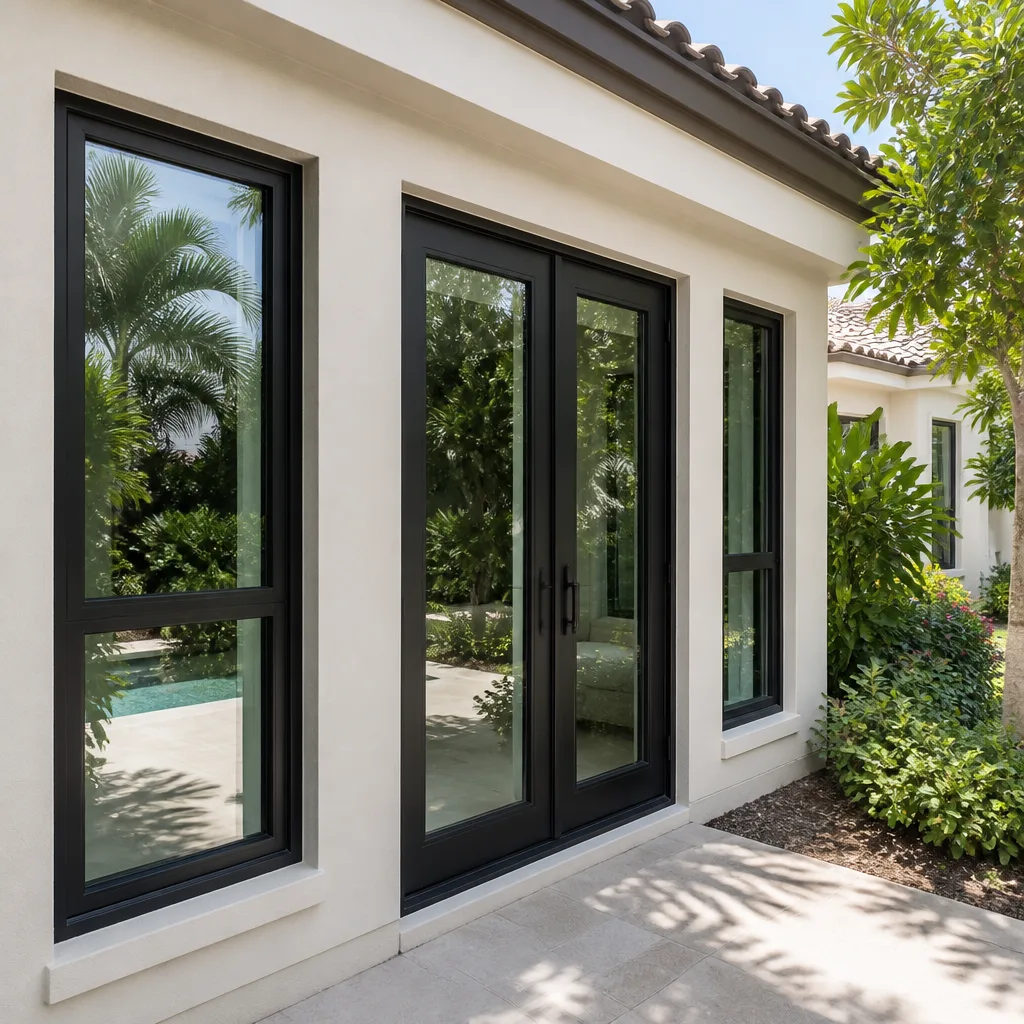 After
After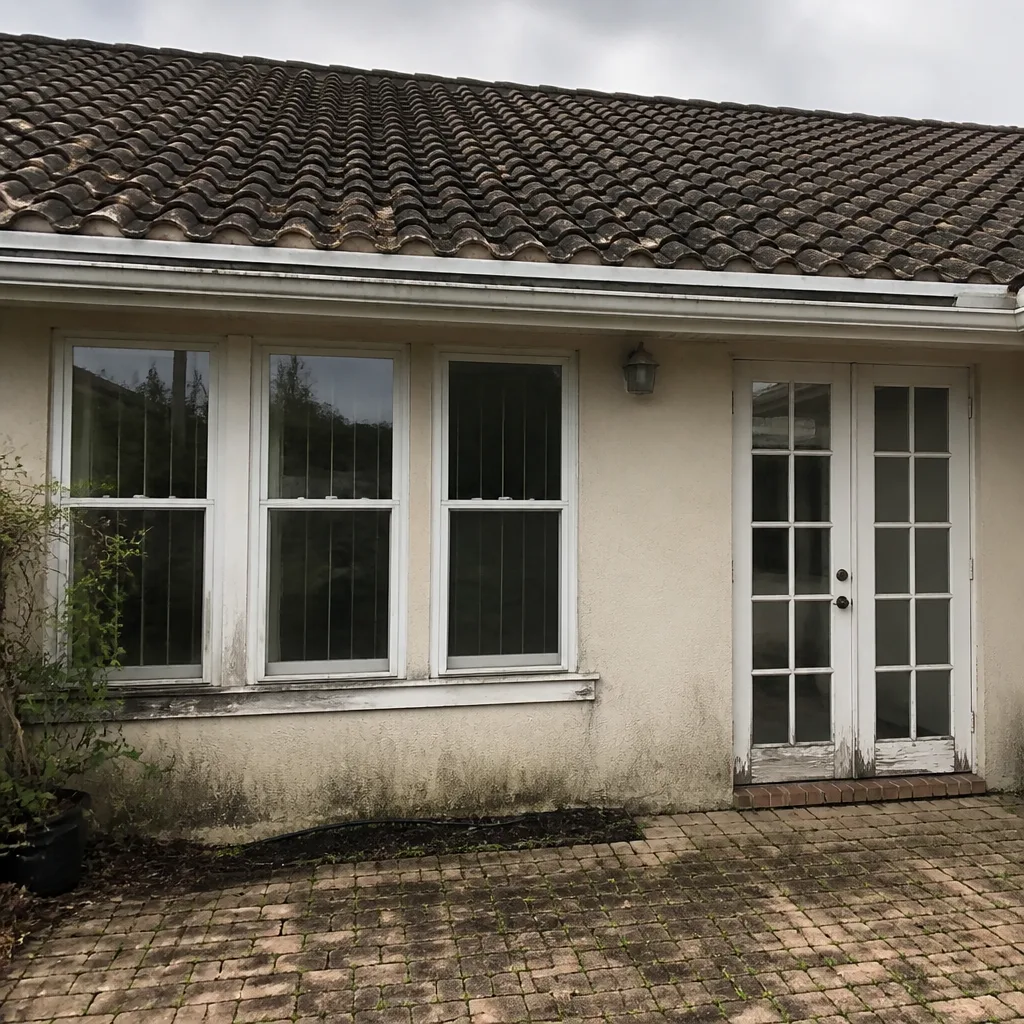 Before
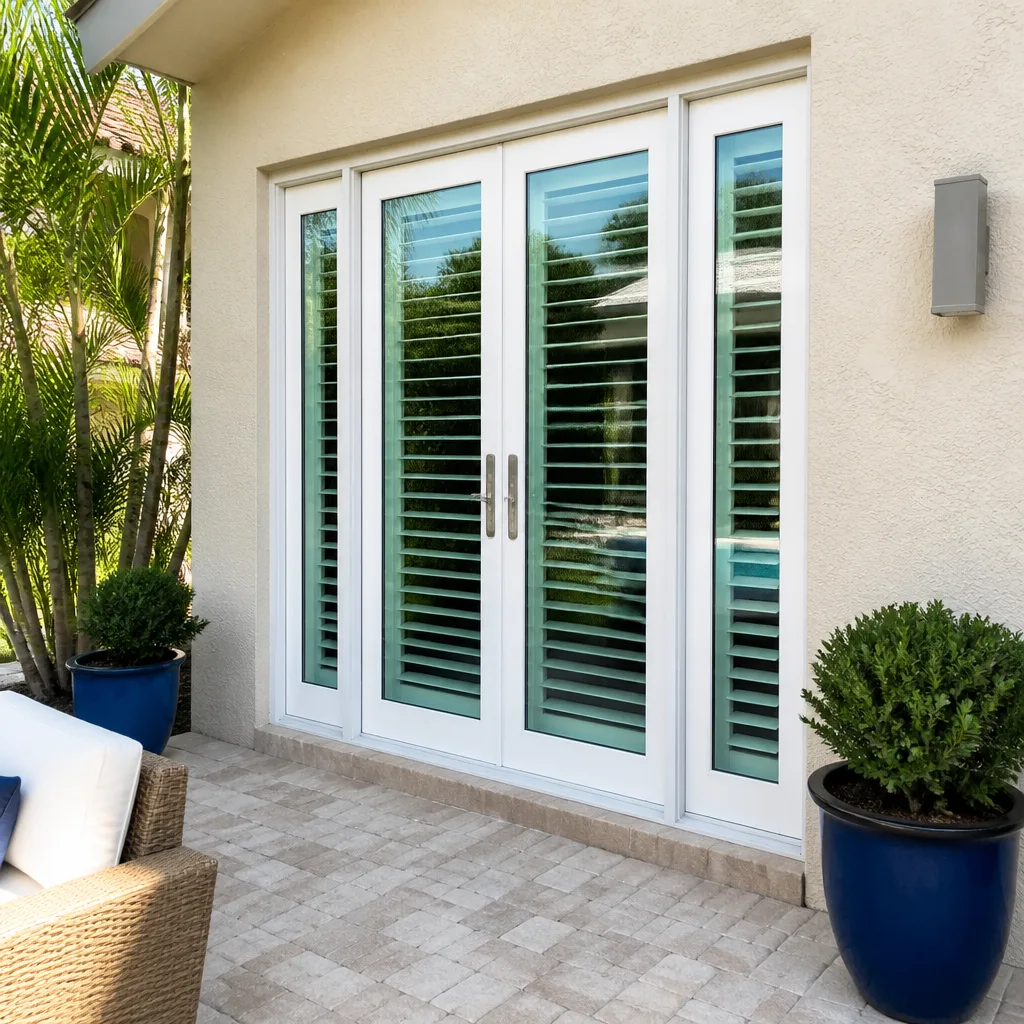 After
After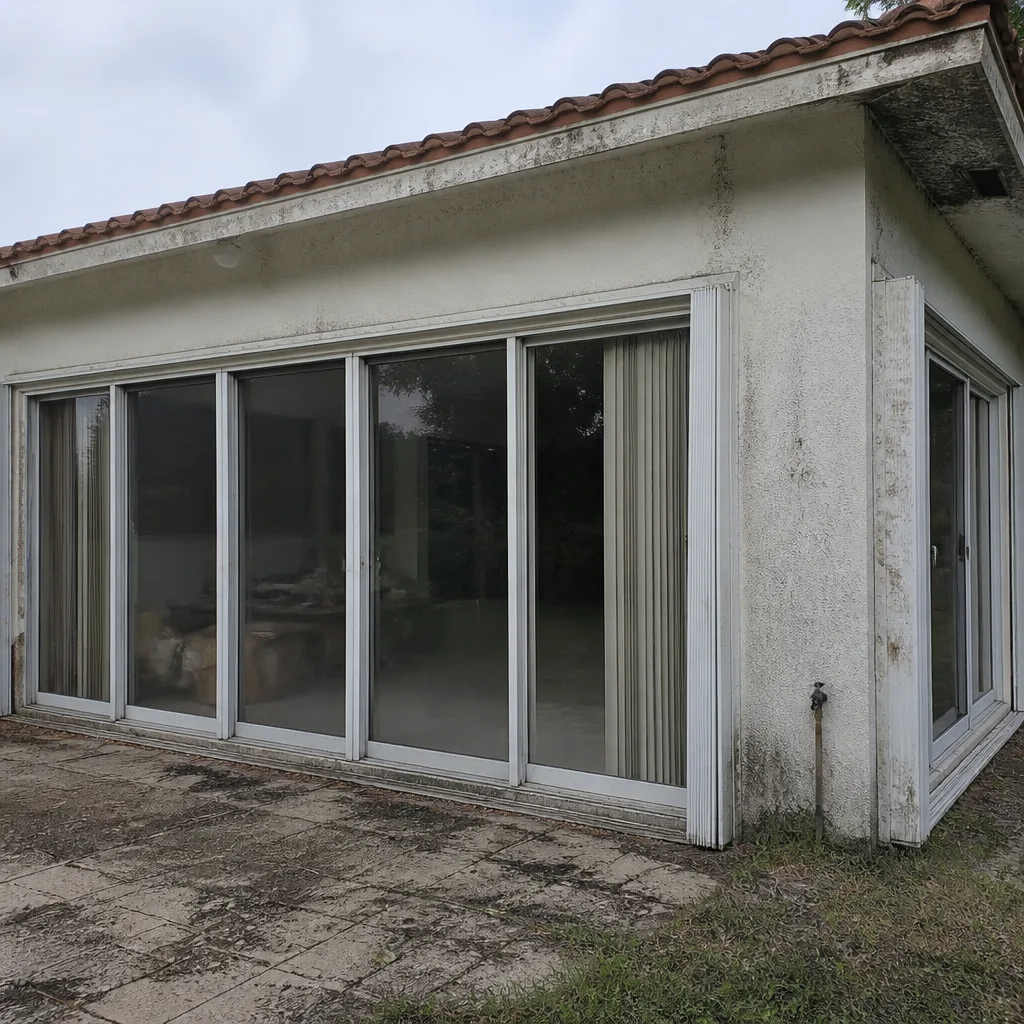 Before
 After
AfterSeasonal Windows & Doors Care for Palm Beach Gardens: Year-Round Homeowner’s Guide
Most homeowners in Palm Beach Gardens don’t think about their windows and doors until something fails. The seal fogs. The slider sticks. The front door swells shut after an afternoon of downpours. But here’s what four decades of glazing work has taught us: the failures you see in August were set in motion in March, and the money you spend on emergency replacements could have been avoided with thirty minutes of seasonal attention. This guide walks you through what your windows and doors actually need, month by month, in this specific climate. You’ll learn what to check, what to leave alone, and when a problem is worth a phone call.
Quick Answer
Seasonal windows and doors care in Palm Beach Gardens comes down to four tasks: cleaning tracks and weep holes before storm season, inspecting weatherstripping and seals each spring and fall, lubricating rollers and hinges twice a year, and addressing any fogged glass or binding frames within 90 days of noticing them. The salt air, high humidity, and summer lightning storms here mean your windows and doors work harder than they would almost anywhere else in the country, so a twice-yearly inspection keeps small problems from becoming full replacements.
Table of Contents
- Spring: The Pre-Storm Inspection That Prevents July Emergencies
- Summer: Humidity, Salt, and the Doors That Bind in July
- Fall: Hurricane Hangover and the Seal Check That Saves Money
- Winter: The Quiet Season for Testing and Planning
- Weep Holes and Drainage: The Most Overlooked Feature on Your Windows
- Weatherstripping and Seals: When to Replace, When to Repair
- Impact Windows and Doors: Maintenance Differences That Matter
- What You Can Safely Do Yourself and What You Shouldn’t Touch
Spring: The Pre-Storm Inspection That Prevents July Emergencies
Spring in Palm Beach Gardens is the window and door equivalent of an oil change before a long road trip. The dry season is ending, afternoon storms are building, and every opening in your house is about to face six months of wind-driven rain. This is the season to be thorough, because what you catch in April costs a fraction of what you’ll pay in July.
Start with the exterior. Walk the perimeter of your home and check the caulking around every window frame and door jamb. Florida sun breaks down exterior caulk faster than almost anything else. Look for hairline cracks, gaps where caulk has pulled away from the frame, or any spot where you can see daylight from inside. In newer developments like Mirasol and Old Palm, we regularly see caulk failure on the western exposures first, where the afternoon sun hammers the same walls for years. In older neighborhoods around PGA National and Frenchman’s Creek, the original caulk from a 1990s build is often well past its useful life.
Here is the spring checklist we give every Palm Beach Gardens homeowner:
- Check every exterior seal. Walk the house at eye level. Use a soft putty knife to test caulk adhesion at the corners of each frame. If it flakes away, the seal is done.
- Clean the tracks. Sliding doors and windows accumulate sand, leaf litter, and dead insects during the dry months. Vacuum the tracks, then wipe with a damp cloth. Do not use petroleum-based lubricants, they attract grit.
- Clear the weep holes. These are the small drainage slots at the bottom of window frames. If they’re clogged, water backs up into the frame and eventually into your wall. A pipe cleaner or a blast of compressed air clears them.
- Test every lock and latch. A window that doesn’t lock isn’t just a security issue, it’s a water issue. A locked window compresses the weatherstripping. An unlocked window lets wind-driven rain find the gap.
- Look at the glass itself. Fog between the panes now means a failed seal, and a failed seal means the insulating gas has escaped. The window still works, but it’s no longer doing the job it was designed for.
One thing we tell homeowners every spring: if a door binds or a window sticks, note it now. The humidity of summer will make it worse, not better. A door that scrapes the jamb in April will be a door that won’t close in August. Deal with it before the rains come.
Summer: Humidity, Salt, and the Doors That Bind in July
Summer in Palm Beach Gardens is the proving season. Temperatures in the low nineties, humidity that doesn’t drop below seventy percent most nights, and afternoon thunderstorms that can dump two inches of rain in twenty minutes. Your windows and doors spend three months doing the equivalent of running a marathon in a sauna.
The most common summer complaint we hear is a door that binds. Wood frames absorb moisture from the air and swell. The door that closed easily in February scrapes the jamb or won’t latch by July. This is normal, but it’s not something to ignore. A swollen door puts stress on the hinges, the latch, and the weatherstripping. If you have to shoulder the door to close it, you’re bending the hardware a little more every time.
Here’s what summer maintenance looks like for a Palm Beach Gardens home:
- Lubricate hinges and rollers with a silicone-based spray. Do this in June and again in August if necessary. Silicone doesn’t attract grit the way WD-40 or grease does.
- Watch the condensation line. If your windows look wet on the inside during summer afternoons, the seal between panes may be failing. Condensation on the outside of the glass is fine, it means the window is doing its insulating job. Condensation between the panes is the problem.
- Check the weatherstripping after storms. Wind-driven rain finds any gap. After a hard storm, run your fingers along the inside edge of the doorframe. If it’s damp, the weatherstripping needs attention.
- Pay attention to how windows open. Vinyl frames expand slightly in extreme heat. A window that’s hard to open in the afternoon sun may loosen as the day cools. That’s normal. A window that’s hard to open all day, every day, is not.
- Clean the glass and inspect the frames. Salt from the ocean air settles on everything within a few miles of the coast. It’s corrosive, and it’s abrasive. Washing your glass and frames with a mild soap solution every few weeks during summer removes salt buildup before it can etch the glass or pit the hardware. This matters more in waterfront communities like Admirals Cove, Frenchman’s Harbor, and along Prosperity Farms Road.
If you have single-pane windows that face west or south, summer is when you’ll feel the heat radiating through the glass. That’s not a maintenance issue, it’s an efficiency issue. Modern low-E glass and double-pane construction make a measurable difference in cooling costs for Palm Beach Gardens homes, but that’s a conversation about replacement, not care.
Fall: Hurricane Hangover and the Seal Check That Saves Money
By October, the worst of the hurricane season is usually behind us, but the effects of summer storms are visible everywhere you look. Fall is the season to assess what the weather did to your windows and doors and to prepare for the cooler, drier months ahead.
This is also the season when fogged glass becomes obvious. The temperature swings of fall, warm days and cooler nights, cause any moisture trapped between panes to condense and evaporate repeatedly. A window that looked fine all summer suddenly shows a white haze or visible droplets. That means the seal has failed. In Palm Beach Gardens, seal failure isn’t just an appearance issue. A window with a failed seal has lost its insulating gas, which means it’s now conducting heat into your house during the day and letting it escape at night.
The fall checklist:
- Inspect the glass on every window and door. Look for fog, haze, or anything that looks like water spots on the inside of the glass. If you see it, the seal is gone.
- Check for storm damage. Look for small cracks in the frame, chips at the corners of the glass, or any window that’s now harder to open than it was in the spring. Wind stress can deform frames subtly and permanently.
- Clean and dry the tracks. Remove any standing water from slider tracks after storms. Pooled water creates a breeding ground for mold and rusts the rollers.
- Test every door for plumb. A door that has shifted slightly out of square will show a wider gap at the top or bottom. This is the time to catch it, while the air is dry and adjustments are easier.
- Replace worn weatherstripping before the dry season. Fall is when prices are reasonable and scheduling is easiest. The spring rush is real, and it comes sooner than you think.
We’ve worked on homes in Palm Beach Gardens where a failed seal went unnoticed for two or three years. By the time we’re called, the moisture has often damaged the frame from the inside. Regular fall glass inspections catch these problems early, when they’re a repair instead of a replacement.
Winter: The Quiet Season for Testing and Planning
Winter in Palm Beach Gardens is the easiest season on your windows and doors. The humidity drops, the temperatures settle into the seventies, and the rain is less frequent. This is the best time of year for testing and for planning, because the doors and windows are at their most cooperative when the air is dry.
Here’s how to use the winter months:
- Open and close every window in the house. All of them, including the ones you never use. A window that hasn’t been opened in a year may have seized rollers or dried-out tracks. Better to find out in January than in June.
- Check locks for corrosion. The salt air in coastal Palm Beach Gardens eats at metal hardware slowly, even indoors. Test the locks and inspect for any white or green oxidation.
- Inspect the corners of the glass. Chips and small cracks can expand when temperatures swing. A small chip in December can become a full crack by March if it’s not addressed.
- Test the operation of sliding doors with fresh eyes. Stand back and watch the door as it moves. Does it glide? Does it shudder? Does it sound like it’s dragging gravel? If it doesn’t move smoothly, the rollers need replacement.
- Call for a tune-up early. If you know you need professional attention, schedule it in December or January. The spring rush for window and door work in Palm Beach Gardens starts in February, and callout times stretch out quickly.
Winter is also the season when homeowners make long-term decisions. If you’ve been nursing windows along for years, or if your doors have given you trouble through two or three summers, the dry season is the time to get an assessment and plan the work while the weather is pleasant and you have the luxury of patience.
Weep Holes and Drainage: The Most Overlooked Feature on Your Windows
Every window and sliding door in your Palm Beach Gardens home has small drainage slots at the bottom of the frame. They’re called weep holes, and they’re the single most important feature most homeowners never think about. Their job is simple: channel water out of the frame and away from your walls.
When weep holes clog, water backs up inside the frame. In a heavy summer storm, that water can overflow the interior track and run down the inside of your wall. We’ve opened walls in Palm Beach Gardens homes and found mold and rotted studs directly beneath window frames, all because a weep hole was packed with sand or insect debris for a year or more.
Cleaning weep holes is a simple job:
- Locate the holes. They’re on the exterior side of the frame, at the bottom. On sliding windows, they’re on the outside track. On casement windows, they’re small slits in the bottom flange.
- Clear the visible debris. A soft brush or a wooden toothpick works. Avoid metal tools that could scratch the frame.
- Flush the track with water. Pour a small amount of water into the track and watch it drain out through the holes. If it pools, the holes are still clogged.
- Use compressed air for stubborn blockages. A can of compressed air with the nozzle tip held at the weep hole usually clears what brushing misses.
- Check after every major storm during hurricane season. Debris moves around in the wind and rain. A hole that’s clear in May may be plugged in September.
This is thirty minutes of work twice a year, and it prevents the kind of water damage that costs thousands of dollars to remediate. For more context on how drainage fits into the bigger picture of window health in our climate, see the TruePane Windows & Doors home guide on South Florida window maintenance.
Weatherstripping and Seals: When to Replace, When to Repair
Weatherstripping is the gasket between your conditioned interior and everything out there: heat, humidity, rain, wind, salt, and insects. It’s a wear item. It compresses with use, degrades in the sun, and dries out over time. In Palm Beach Gardens, most weatherstripping lasts three to seven years depending on exposure.
How to know if yours needs attention:
- Do a visual inspection. Look for cracking, flattening, or any section where the material has pulled away from the frame. Weatherstripping should spring back when you press it with a finger. If it stays flattened, it’s lost its memory and its seal.
- Do the paper test. Close a door or window on a piece of paper. If you can pull the paper out with almost no resistance, the weatherstripping is not making contact. That gap is where air conditioning escapes and humidity gets in.
- Feel around the edges at night. Stand near a closed window with a candle or a lighter. If the flame flickers near the edges, there’s a draft. For doors, check along the bottom sweep.
- Look for discoloration on the frame or the wall. Streaks, stains, or peeling paint near weatherstripping often mean water has been getting through and running down the inside surface.
Replacing weatherstripping is a job most homeowners can do themselves, and the materials are available at any home improvement store. But the price of doing it wrong is exactly the same as not doing it at all. The material needs to be the right profile for the frame, cut to the correct length, and set so it makes even contact around the entire opening. If you’d rather not spend a Saturday learning the difference between V-strip and foam tape, that’s work a professional can do quickly and correctly.
One thing we emphasize at TruePane: weatherstripping is cheap. The air conditioning it saves is not. A three-foot gap of compressed weatherstripping on a front door can cost more in a single summer than the replacement of every seal on that door would have cost.
Impact Windows and Doors: Maintenance Differences That Matter
Palm Beach Gardens building codes require impact-rated windows and doors on new construction and most significant remodels. If your home has impact glass, or if you’ve upgraded to PGT or Simonton impact products, the maintenance rules are slightly different than they are for standard windows.
The glass itself is heavier and laminated rather than tempered, but the frames and hardware are what need your attention. Impact-rated frames are engineered to stay locked under extreme wind loads, which means the hardware takes stress that standard windows never experience. The locks, the hinges, the rollers, all of it works harder.
Impact window maintenance specifics:
- Lubricate the locks more often. Impact-rated locking mechanisms are heavier and stiffer than standard locks. They need a silicone lubricant at least twice a year to keep operating smoothly. A lock that’s hard to turn is a lock that’s not fully engaging.
- Check the structural caulking. Impact windows are set in the frame with a structural adhesive that works with the caulk to keep the unit sealed and secure. Any crack or gap in the exterior caulk is more than a water issue with impact glass, it’s a wind-resistance issue.
- Brighten the tracks. Sliding impact doors are exceptionally heavy. The tracks need to be absolutely clean and the rollers in good condition. A standard patio door weighs around a hundred pounds. An impact-rated slider can weigh three times that. Badly maintained tracks and worn rollers on an impact door will break the handle hardware eventually because you’re applying more force than the door was designed to need.
- Watch for impact glass delamination. Impact glass is two panes laminated with a polymer interlayer. If the edge seal fails, you may see a milky ring forming around the perimeter of the glass. That’s not condensation, it’s the lamination starting to separate. It needs professional attention.
In our experience, homeowners in communities like BallenIsles and Old Marsh, where impact glass is nearly universal, benefit from a professional inspection every two or three years. The cost of a service call is a small price compared to the cost of discovering, after a storm, that an impact window was no longer performing as rated.
What You Can Safely Do Yourself and What You Shouldn’t Touch
Most of the seasonal care we’ve described in this guide is well within a homeowner’s abilities. Cleaning tracks, clearing weep holes, inspecting caulk, testing seals, and lubricating hardware are all safe, straightforward tasks. But there are a handful of window and door issues in Palm Beach Gardens where we recommend professional attention, and the recommendation is not about protecting our business. It’s about not making a problem worse.
Leave these alone:
- Fogged or hazy glass. A failed seal cannot be repaired by a homeowner. The insulated glass unit needs replacement, and doing it wrong means water in the frame and a warranty that never activates.
- A door that’s shifted out of square. Adjustment is sometimes simple and sometimes structural. If you’re shaving wood from the jamb or bending hinges, you’re beyond DIY.
- Cracked impact glass. Even a small crack compromises the structural rating of the entire unit. It needs replacement, not epoxy.
- Any window or door that’s hard to operate. Forcing a stuck window or a binding door causes more damage than the repair would have cost. If it doesn’t move with reasonable pressure, stop pushing.
- Caulking around impact windows. The wrong caulk or the wrong application can void the manufacturer’s warranty. This is a case where the DIY approach actively risks more than it saves.
For everything else, seasonal care is a matter of attention and habit. The homes that do best in this climate are the ones where someone walks the perimeter twice a year and looks at the window and door seals the way they check the roof and the gutters. It’s not complicated, but it has to happen.
Common Mistakes to Avoid
- Lubricating tracks with the wrong product. Petroleum-based lubricants like WD-40 attract sand and grit, turning your clean track into a grinding paste. Use a silicone-based spray or a dry lubricant made for the purpose.
- Ignoring a fogged window because it still opens and closes. The seal failure only gets worse, and the moisture trapped inside the frame accelerates damage to the frame itself. A fogged window is a problem now, not just an eyesore.
- Forcing doors and windows that bind. If it doesn’t move with normal effort, forcing it bends hinges, strips lock hardware, and stresses the frame. The repair bill grows every time you shove it.
- Missing the weep hole check. Clogged drainage is the most common source of invisible water damage in Palm Beach Gardens walls. It’s also the easiest problem to prevent.
- Painting over weep holes or caulking them shut. We see this on painted homes more than you’d expect. Your paint and caulk job looks clean, but you’ve just sealed water into the frame.
- Waiting until summer to address a door or window problem you noticed in winter. The humidity makes everything harder to fix and more expensive to fix. Dry season is the right time for frame work and hardware repair.
- Assuming impact windows are maintenance-free. Impact-rated products are more durable, but the hardware takes more stress and needs more attention, not less. A neglected impact window is a false sense of security.
When to Call a Professional
Some things are worth handling yourself. Some things are worth calling someone who’s done it a few thousand times. If you notice fogged glass, a door that’s shifted out of square, cracked or chipped impact glass, or weatherstripping that’s failed in more than one place, that’s the time to get a professional assessment. The same goes for any window or door that’s been hard to operate for more than a week or two. Forcing hardware accelerates the damage and turns a simple repair into a costly one. A professional can also spot early-stage problems that aren’t obvious to a homeowner, like failing frame seals and subtle frame warping from years of sun and storm exposure. TruePane Windows & Doors offers free estimates in Palm Beach Gardens, call (772) 794-8169 and one of our technicians will walk the property with you and tell you what needs attention and what can wait.
Frequently Asked Questions
A thorough seasonal inspection twice a year, spring and fall, is enough for most homes. We’ve found that homes within two miles of the coast benefit from an additional check after summer storm season, since salt and wind-driven rain are harder on hardware and seals than the inland weather patterns.
Basic tune-up work like track cleaning, roller lubrication, weatherstripping inspection, and weep hole clearing typically runs between $150 and $400 depending on how many openings you have. Weatherstripping replacement for a standard single door runs $60 to $150. Glass replacement for a fogged window runs $250 to $600 for most sizes. Get an itemized quote before agreeing to work, and ask whether both the product and the labor are covered. Call (772) 794-8169 for a free estimate.
Weatherstripping needs replacement when it stays flattened after being pressed, when you can feel air moving around a closed door or window, or when it’s visibly cracked, split, or pulling away from the frame. The paper test is the most reliable home check: close the door on a piece of paper and pull. If it slides out easily, the seal is gone.
It’s common in humid climates, but it’s not harmless. Wood frames absorb moisture and expand, and a door that sticks in July is a sign that the frame is under stress. There are adjustments that can relieve the pressure without shaving the door. If you’ve had a summer sticking problem for more than one year, it’s worth having the frame looked at.
Yes. Impact-rated windows and doors have heavier locking hardware that needs lubrication more often, thicker laminated glass that can delaminate if the edge seal fails, and structural caulking that plays a load-bearing role. The maintenance basics are the same as standard windows, but the stakes are higher for getting them right.
A failed seal shows up as fog, haze, or water droplets between the two panes of glass. It can also appear as a milky ring around the edge of the glass. Once the seal is gone, the window’s insulating gas has escaped, and the unit is no longer performing as designed. The fix is an insulated glass unit replacement, and it’s worth doing soon because moisture inside the frame accelerates damage. Call (772) 794-8169 for an exact quote, estimates are free.
The Bottom Line
Windows and doors in Palm Beach Gardens live a hard life. Between the salt air, the summer humidity, the afternoon storms, and the hurricane seasons, they take more punishment than they would almost anywhere else in the country. The difference between a window that lasts twenty-five years and one that fails at ten is not the brand, it’s the maintenance. Thirty minutes twice a year, focused on tracks, weep holes, seals, and hardware, prevents most of the problems that turn into four-figure repairs. Ignore the small things long enough and they become big things. The good news is that this is a manageable routine, and once it’s a habit, it stays a habit.
Written by Dale Kessler, Owner at TruePane Windows & Doors, serving Palm Beach Gardens since 2008.
Six Reasons Homeowners Choose TruePane Windows & Doors
Impact systems engineered to design pressures up to +/-100, matched to your wind zone - your openings hold when the storm arrives.
Low-E insulated impact glass from our manufacturer lines commonly cuts monthly cooling bills 20-30%.
Laminated impact glass shuts out up to 40% of outside noise - traffic, neighbors, weather.
Monitoring services run $30-90 a month. Laminated impact glass resists forced entry around the clock, with no subscription.
Florida homeowners average around 25% savings on the windstorm portion of their policy after protecting every opening - some homes qualify for more.
A full impact package upgrades curb appeal, buyer confidence and appraised value in one project.