
Last updated August 25, 2026
Free in-home measure and quote - PGT, CGI and CWS impact lines compared on your actual openings, style by style
Sliding glass doors
Impact garage doorsPGTCGI
 Before
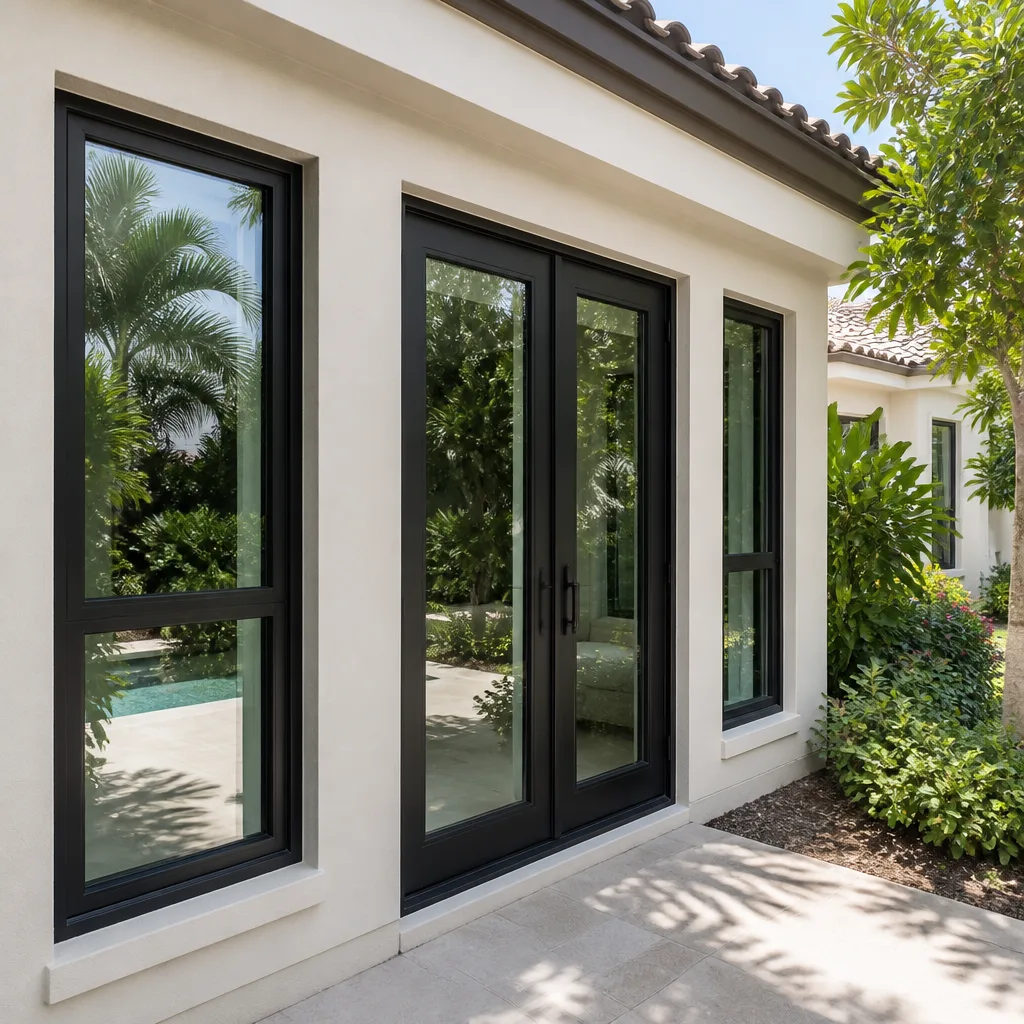 After
After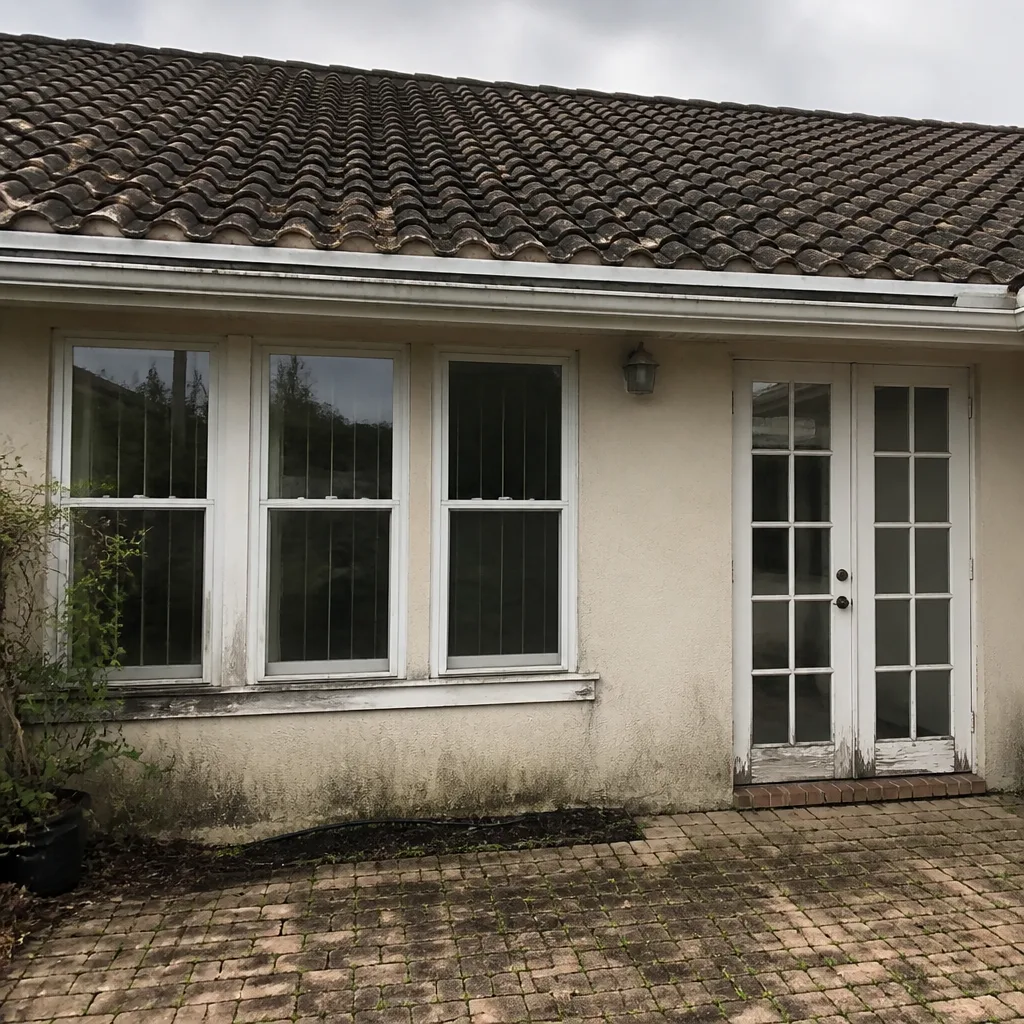 Before
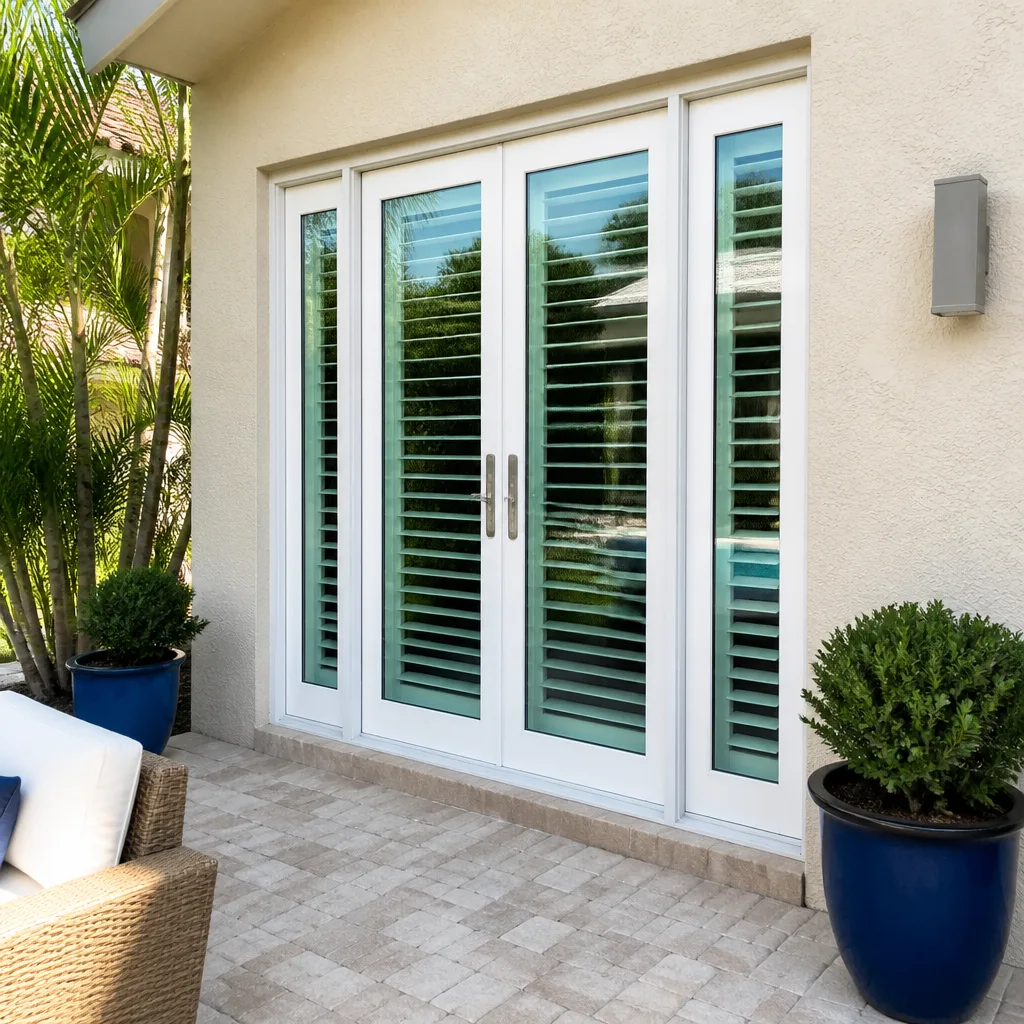 After
After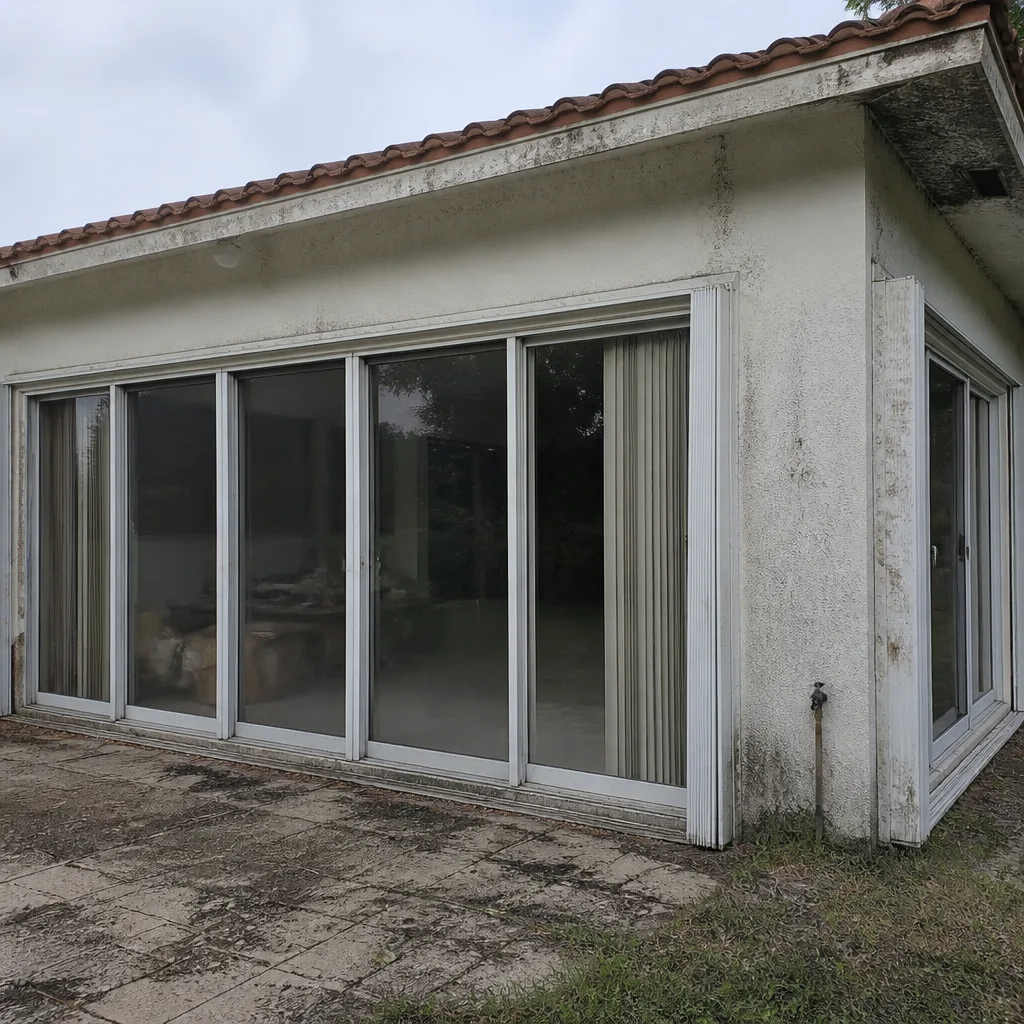 Before
 After
AfterWindows & Doors Permits, Codes & Inspections in FL: What You Need to Know
Most Florida homeowners don’t discover they needed a permit until the window is already installed and the inspector’s sticker never arrives. In a state where wind-driven rain and 150 mph gusts are design requirements, not afterthoughts, a skipped permit isn’t a paperwork annoyance. It’s a voided warranty, a stalled sale, and a window frame nailed to studs that were never inspected. This guide walks through what Florida actually requires for window and door permits, which codes govern the work, what inspectors check, and what homeowners in Palm Beach Gardens need to know before the first pane comes out.
Quick Answer
Replacing windows or doors in Florida requires a building permit in nearly every municipality, including Palm Beach Gardens. The work must meet the current Florida Building Code, which centers on wind-load resistance, impact protection or shutters, and proper flashing for water intrusion. Inspections happen at specific stages, and skipping either the permit or the inspection can void manufacturer warranties, stall a future home sale, and leave the structure exposed to storm damage.
Table of Contents
- When a Permit Is Actually Required in Florida
- The Florida Building Code, Explained for Homeowners
- Impact Windows, the HVHZ, and Wind-Borne Debris Zones
- What Inspectors Actually Check: Stage by Stage
- Permits in Palm Beach Gardens: What the Local Process Looks Like
- What Permits Cost and How Long the Timetable Runs
- How Permits and Inspections Affect Manufacturer Warranties
- Common Mistakes to Avoid
- When to Call a Professional
- Frequently Asked Questions
- The Bottom Line
When a Permit Is Actually Required in Florida
Short version: if you are removing an existing window or door and putting a new one in the same opening, you need a permit. The Florida Building Code’s administrative chapter requires permits for any work that alters the building envelope. That includes replacement windows, sliding glass doors, French doors, and even a single exterior door swap. The only exceptions are cosmetic in nature, like re-glazing a sash without removing the frame or replacing hardware that doesn’t touch the rough opening. And even those walk a fine line. If a Palm Beach Gardens homeowner asks us whether they can skip a permit on a like-for-like window swap, the honest answer is no. The city checks, and the penalties start at double the permit fee.
The logic behind the rule is weather. Florida windows and doors are structural components, not finish materials. They resist wind pressure, keep out driven rain, and, in much of the state, stop flying debris. A window installed without inspection might look right from the driveway and leak behind the stucco for three years before the drywall tells you. Permits create a paper trail that someone trained looked at the fastening pattern, the flashing, and the product approval. That matters when a hurricane is forty-eight hours out and you want to know your openings will hold, and it matters when a future buyer asks for closing permits.
Manufacturers enforce the same rule from their side. Andersen, Pella, Jeld-Wen, PGT, and every other major line state in their warranty documents that unpermitted installation voids coverage. We’ve had homeowners call about a failed seal five years after install, send us the paperwork, only to find the prior handyman never pulled a permit. The manufacturer denies the claim, and the homeowner eats a $900 replacement sash. The permit is the cheapest insurance policy on the job.
The Florida Building Code, Explained for Homeowners
Since 2002, Florida has used a single statewide code, the Florida Building Code, or FBC. That replaced the patchwork of local ordinances that made a window legal in Miami and illegal in Tallahassee. The current edition, updated every three years, governs every window and door installation. The relevant chapters for openings are Chapter 16 (structural design and wind loads), Chapter 17 (special inspections and product approvals), and the Florida-specific High Velocity Hurricane Zone provisions in what was once the South Florida Building Code.
The key takeaway for a homeowner: every window and door installed in Florida must carry a Florida Product Approval. This is a specific certification showing the product was tested to FBC standards for structural pressure, water infiltration, and impact resistance. A big-box window with no Florida Product Approval might be legal in Georgia but cannot be installed with a permit here. When we quote jobs in Palm Beach Gardens, the product approval number goes on the written estimate. If a contractor won’t put it in writing, walk.
Design pressure ratings matter too. The FBC assigns each building a wind speed based on its location, exposure, and height. A single-story home in Palm Beach Gardens has a different design pressure requirement than a beachfront condo. The number you’ll see on the paperwork looks like DP-50 or DP-60. It means the window was tested to withstand 50 or 60 pounds per square foot of pressure without failing. Installing a DP-35 window where a DP-50 is required fails inspection and puts the opening below code.
Energy provisions changed shape with the 2023 FBC update. Florida now runs on a modified version of the International Energy Conservation Code. For windows, that means low-E glazing, specific U-factors and solar heat gain coefficients, and proper sealing. Palm Beach Gardens sits in climate zone 1, which shapes the minimums. The inspector will want to see the NFRC label on the glass. That label is the receipt that the window actually performs the way the code demands.
Impact Windows, the HVHZ, and Wind-Borne Debris Zones
Florida splits the state into two wind zones: the High Velocity Hurricane Zone (HVHZ), which covers Miami-Dade and Broward counties, and the wind-borne debris region, which covers most of the rest of the state, including Palm Beach County and Palm Beach Gardens. The distinction drives what windows and doors you can legally install. In the debris region, openings must either be impact-resistant, meaning the glass and frame were tested together as a unit, or protected by an approved shutter system. In the HVHZ, shutters are largely out and full missile-impact systems are the standard.
Understanding the missile test matters because it explains the difference between a real impact window and a sales pitch. The standard test fires a 9-pound 2×4 at the window at 34 miles per hour, then follows it with positive and negative pressure cycles. The window has to hold. If it does, it gets a notice of acceptance. You’ll see the mark etched on the glass corner or listed on the product approval. No mark, no proof, no permit sign-off.
For homeowners deciding between impact glass and shutters, the honest tradeoff is cost versus convenience. Impact windows cost more on the front end, typically 25 to 35 percent over a standard window plus shutters. But they protect the house whether you’re home or not, they don’t require you to haul panels out of the garage, and they cut outside noise in a way shutters never will. In Palm Beach Gardens, homeowners with impact-rated windows also see an insurance premium break. The amount varies by carrier, but we’ve had customers report 15 to 20 percent annual savings after full replacements with PGT or Simonton impact lines. The permit process is the same either way. The product approval and the inspection are non-negotiable.
What Inspectors Actually Check: Stage by Stage
Inspection stages depend on the job scope. A simple like-for-like window replacement usually needs two inspections: a rough opening inspection before the new window is set, and a final inspection after the trim and flashing are complete but before the windows are sealed shut with caulk. A larger job, like cutting a new opening or enlarging an existing one, adds structural inspections for the header and framing. Here is the typical sequence in Palm Beach Gardens:
- Permit application and plan review. The city reviews the product approvals, the design pressure calculations, and the scope of work. Plan review can take a week to three weeks depending on volume.
- Rough opening inspection. The inspector checks the opening: the rough framing, the header, flashing tape or membrane, and the condition of the sheathing. If the sill pan is missing, the job stops until it’s fixed.
- Fastening inspection. Some municipalities, including Palm Beach Gardens on larger projects, want to see the anchor pattern before trim covers it. The inspector verifies screw spacing and embedment meet the manufacturer’s tested pattern.
- Final inspection. The window or door is set, flashed, trimmed, and sealed. The inspector verifies the product approval label, the operation of the sash, the weatherstripping, and the exterior sealant.
The most common point of failure we see is step two. A handyman will set the window, caulk it, stucco it, and call it done, only to find the inspector wants to see the rough opening first. Then the stucco comes off, the inspection happens, and the homeowner pays for the fix. A licensed contractor who works Palm Beach Gardens regularly knows the inspection sequence and coordinates it without an upcharge. The schedule is part of the job, not an interruption to it.
Water-resistant flashing is the second most common failure point. The FBC requires a primary and secondary water barrier. That means the rough opening gets a flashing membrane or liquid-applied product, then a sill pan under the new window, then a proper flashing tape sequence that integrates with the house wrap. If the old window relied on 1980s newspaper stuffed in the gap as insulation, the new one cannot. The inspector will look at the flashing before it’s covered. In our experience, a well-flashed window is a fifteen-minute conversation with the inspector and a stamped approval. A poorly flashed one is a stop work order.
Permits in Palm Beach Gardens: What the Local Process Looks Like
Palm Beach Gardens runs its own building department under the city’s planning and zoning division. Homeowners can apply online through the city’s e-permitting portal, and contractors registered with the city can pull permits on the homeowner’s behalf. The city adopts the Florida Building Code without much local amendment, but it does enforce additional coastal construction requirements near the Intracoastal and along the easternmost neighborhoods. Homes west of the Turnpike in newer developments are typically in wind exposure B or C, while the older lots east of U.S. 1 carry different design pressures. The application needs the product approval numbers, the scope of work, and the valuation of the job. The permit fee in Palm Beach Gardens runs on a sliding scale tied to valuation, and most homeowners can expect total building department fees for a whole-house window replacement to fall in the $400 to $800 range. That’s before any contractor administrative costs.
One thing Palm Beach Gardens is strict about: the final inspection on storm-critical work. The city wants impact installations verified, which means the product approval label must be legible in place, not loose on a workbench. We remove the cellophane and locate the label before the inspector arrives. It saves both sides a re-visit. The city also requires an approved set of drawings for any opening that changes size, even by an inch. New openings trigger additional plan review comments about header sizing, shear wall integrity, and the structural framing. That’s not red tape. That’s a code official making sure a window opening doesn’t compromise the lateral strength of the wall.
Homeowners in Palm Beach Gardens who live in an HOA have a parallel step. Many communities in PGA National, BallenIsles, Frenchman’s Creek, and Old Palm require architectural review committee approval before any exterior change. The permit is a city requirement. The ARC approval is a deed restriction. They don’t replace each other. If we’re quoting a home in a gated community, the first thing we carry into the estimate is the HOA’s application form. It saves the homeowner a board dispute and it protects the construction schedule. We have watched too many jobs sit idle for a month because nobody filed the ARC packet until the windows were already ordered.
What Permits Cost and How Long the Timetable Runs
Permit costs are driven by job valuation, not a flat fee. Small door replacements under $2,000 in valuation might carry a $60 to $120 permit cost. A whole-house window package valued at $60,000 could run $500 to $900 in Palm Beach Gardens. The exact number comes from the city’s fee schedule, which is published and updated annually. Any contractor who lines up the permit application for you should show you the actual city fee on the invoice. There is no reason for a surprise markup there.
Timeline from application to final inspection for a typical single-family home:
- Plan review: 5 to 10 business days for a simple replacement; longer for structural work or new openings
- Permit issuance: 1 to 2 business days after plan review approval
- Rough opening inspection: scheduled within 1 to 2 business days of the opening being ready
- Final inspection: 1 to 2 business days after the job is complete
- Closing the permit: 1 to 2 business days, with the final inspection record filed with the city
So the permitting process on a straightforward replacement adds a week or two to the overall job, most of it front-loaded before demolition begins. A project that requires new openings, structural changes, or HOA review can stretch four to six weeks before the first wall is opened. The windows themselves take three to six weeks to arrive from the manufacturer, so smart scheduling has the permit and the product landing in the same week. That’s the goal every good contractor in Palm Beach Gardens works toward.
Permit costs should be a line on your estimate, not a vague “administrative fee.” When we write a quote, the permit line is there, the HOA fee line is there if it applies, and the manufacturer warranty registration is included. A square deal means you know what the paper costs before you sign the contract. That’s the standard we’ve kept for years, and it’s what the homeowner in a $2 million PGA National house deserves no less than the homeowner in a $400,000 condo.
How Permits and Inspections Affect Manufacturer Warranties
Manufacturer warranties live and die by the permit. Every major window manufacturer, including Jeld-Wen, Simonton, Ply Gem, and PGT, writes a clause into the warranty document: the product must be installed in accordance with the applicable building code and local requirements. An unpermitted installation is, by definition, outside those requirements. The warranty claim gets denied. It’s that simple.
We register both warranty layers in writing on every job. The first layer is the manufacturer’s warranty on the product: the glass seal, the frame, the hardware. The second layer is the workmanship warranty on the installation: the flashing, the fastening, the square and level set, the trim, the sealant. Homeowners in Palm Beach Gardens should ask who registers the manufacturer warranty and whether they get a copy of the registration. If the answer is “the manufacturer handles it,” ask again. The contractor’s responsibility is to submit the registration. The homeowner’s right is to see the confirmation.
There is a local angle to this that catches people. Florida’s humidity and salt air, especially within a couple miles of the Intracoastal, will find any flaw in a seal. A window installed without a permit five years ago might fog in year two. The homeowner files a warranty claim for the failed glass. The manufacturer asks for the permit number, and the homeowner has nothing to give. We’ve been through that conversation more times than we’d like. The permit file is the receipt that proves the install matched the code. Without it, you are negotiating from a position of weakness. With it, the claim process is a formality.
The Keystone Standard is the practice we’ve built around warranty registration: both layers registered in writing before the truck leaves the driveway, durations stated, and the homeowner holding a copy. That’s not a sales pitch. It’s the protection a forty-year investment deserves, and it’s the difference between a warranty that works and a warranty that’s framed but empty.
Common Mistakes to Avoid
- Skipping the permit to save $200. The permit is the cheapest line on the job, and it’s the one that keeps the warranty alive and the resale clean. An unpermitted window in Palm Beach Gardens becomes a title company problem the day the house goes on the market. The seller either pulls a retroactive permit, which is harder and more expensive, or drops the price.
- Buying a window without a Florida Product Approval. Not every window sold in Florida is legal to install in Florida. A product approval number from an approved testing lab and a notice of acceptance from Miami-Dade or the FBC is the only proof the window passed. Without it, plan review rejects the application and you own glass you can’t install.
- Replacing a window with a different size and assuming it’s fine. Any change in rough opening dimensions triggers structural review. A taller window changes the header. A wider window changes the shear resistance. Skipping the engineering means the inspector fails the job and the wall performs worse in a storm.
- Letting the installer caulk and trim before the rough inspection. If the inspector can’t see the flashing, the fastening, or the sill pan, the inspection cannot pass. The work has to be exposed or removed. A contractor who sequences inspections correctly doesn’t have this problem.
- Ignoring the HOA approval. In Palm Beach Gardens, failing to file with the architectural review committee can halt the job, trigger fines, and force a window style change after the product has shipped. The city permit doesn’t override deed restrictions.
- Registering the warranty yourself a week later and forgetting. Warranty registrations have deadlines, and missing them reduces coverage from lifetime to a pro-rated year or two. The installer should register before leaving the job, and the homeowner should hold the confirmation.
- Choosing a contractor based on price per window alone. The cheapest bid in Palm Beach Gardens is often cheap because it deletes the permit, uses a lower design pressure product, or buries the flashing in stucco before anyone checks. The price you see is not the price the house pays.
When to Call a Professional
Some jobs are genuinely doable for a skilled homeowner. Replacing a screen, re-caulking interior trim, or swapping a door handle is fine. But the moment the work touches the rough opening, the flashing, the water barrier, or the structural frame, a licensed contractor is the rational choice. Windows and doors are the only parts of the building envelope that move, and they fail where the house meets the weather. Impact windows are heavy, unforgiving, and dangerous when mishandled. A PGT impact double-hung sash can weigh more than a truck tire. The fastening patterns are tested, not guessed. The flashing sequence is code, not preference. If you’re not confident you can explain the difference between a sill pan and a sloped sill, the job already belongs to someone else.
TruePane Windows & Doors home has been serving Palm Beach Gardens and the surrounding communities since 2008. Every job is permitted, inspected, and registered. If you’re planning a window or door replacement in Palm Beach Gardens and want a written estimate that includes the permit, the product approval, and the warranty registration, call (772) 794-8169 for a free estimate. A live person answers, and the estimate is a fixed number, not a starting point.
Frequently Asked Questions
A window permit in Palm Beach Gardens typically runs from $60 for a small single-window replacement to several hundred dollars for a whole-house project, calculated as a percentage of the job valuation. A full-home replacement often lands between $400 and $900 in city fees. Call (772) 794-8169 for an exact quote on your project, including the permit line item.
The price should not change, and a written estimate with a fixed scope of work protects you from change-order games. The only legitimate reasons for a price adjustment are hidden conditions discovered after the opening is stripped, like rotted framing or termite damage that no one could see until the old window came out. We write fixed quotes and we stand behind them, and any structural surprise gets discussed with the homeowner before another dollar is spent.
A whole-house window replacement typically takes two to five days of on-site installation once the product arrives and the permit is issued. The full timeline from contract to final inspection usually runs six to eight weeks, mostly because the manufacturer lead time on the order is three to six weeks. The permitting and HOA approval happen during the lead time so the windows land and the crew works in the same week.
Yes. You are altering the building envelope, and even a same-size door swap requires a permit and inspections. The design pressure requirements apply to the new product, and the flashing and anchoring details change when the hinge hardware changes. Palm Beach Gardens enforces this consistently, and the rough opening inspection will verify the sill pan and the fastening pattern before the trim covers them.
No. The inspection is part of the permit record, not an after-the-fact signature. If the window is installed without a permit, the city has no record of the rough opening inspection or the flashing check. A retroactive permit requires exposing the installation to verify the work, which usually means removing trim and stucco. It costs more than doing the permit first.
Yes. HOA architectural review is a separate requirement from the city permit, and one does not satisfy the other. Communities in Palm Beach Gardens like PGA National and BallenIsles have their own application process and meeting schedule. Failing to file can stop the job at the gate, and changing window styles after the order is placed is an expensive correction.
The Bottom Line
Permits, codes, and inspections are not obstacles between you and a new window. They are the proof the window will survive the storm it was designed for, the warranty it was sold with, and the future sale of the home it was installed in. Florida’s building code exists because Florida’s weather doesn’t negotiate. Palm Beach Gardens enforces the code because the city’s housing stock sits squarely in a wind-borne debris region. The permit is the smallest line on the invoice and the largest protection on the job. Pull it, pass the inspection, register the warranty, and hold the paperwork. Then call (772) 794-8169 to schedule a free estimate with TruePane Windows & Doors, and get a square deal in writing from a team that’s been serving Palm Beach Gardens since 2008.
Written by Dale Kessler, Owner at TruePane Windows & Doors, serving Palm Beach Gardens since 2008.
Six Reasons Homeowners Choose TruePane Windows & Doors
Impact systems engineered to design pressures up to +/-100, matched to your wind zone - your openings hold when the storm arrives.
Low-E insulated impact glass from our manufacturer lines commonly cuts monthly cooling bills 20-30%.
Laminated impact glass shuts out up to 40% of outside noise - traffic, neighbors, weather.
Monitoring services run $30-90 a month. Laminated impact glass resists forced entry around the clock, with no subscription.
Florida homeowners average around 25% savings on the windstorm portion of their policy after protecting every opening - some homes qualify for more.
A full impact package upgrades curb appeal, buyer confidence and appraised value in one project.